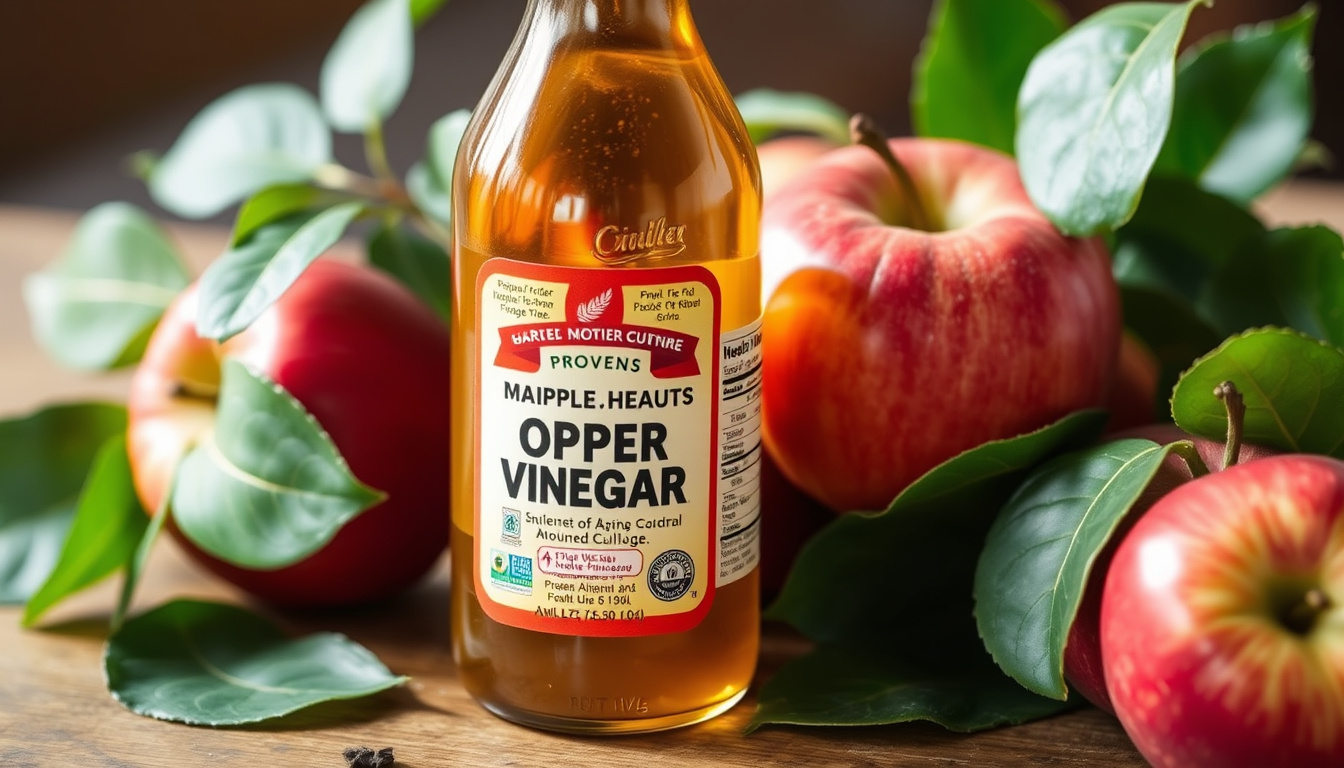

If you’ve scrolled past apple cider vinegar testimonials online, you’re not alone — the internet loves its tangy promise of effortless weight loss and steadier blood sugar. But before you stock up on bottles, it helps to know what the research actually shows. This review unpacks the science behind ACV’s most-studied benefits, where the evidence holds up, and where the hype gets ahead of the data.
Blood sugar reduction: up to 20% post-meal · Weight loss aid: 1–2 kg over 12 weeks · Cholesterol decrease: moderate in studies · Daily dose studied: 1–2 tbsp diluted · Risk of tooth enamel: erosion from undiluted use
Quick snapshot
- Reduces post-meal blood glucose spikes in type 2 diabetes (BSW Health)
- Modest weight loss in overweight/obese adults over 4–12 weeks (PubMed)
- 30 mL/day is the dose linked to significant body weight reduction (PMC)
- Whether ACV helps sinusitis or other respiratory conditions (Ubie Health)
- Long-term safety beyond 12-week study windows (Mayo Clinic)
- Whether “mother” vinegar adds meaningful gut-health benefits (BSW Health)
- Larger, blinded RCTs needed to confirm optimal dosing and long-term outcomes (Mayo Clinic)
- ACV unlikely to cause major weight loss on its own — diet and exercise remain primary drivers (UChicago Medicine)
The table below aggregates key metrics from multiple clinical studies on apple cider vinegar.
| Measure | Value |
|---|---|
| Key compound | Acetic acid |
| Studied dose | 15–30 mL daily |
| Blood glucose drop | 20–30% post-meal |
| Weight loss trials | Small but significant |
| RCTs analyzed (meta-analysis) | 10 |
| Total participants (meta-analysis) | 789 |
Does Apple Cider Vinegar Really Improve Your Health?
The short answer from a 2025 meta-analysis in PubMed is nuanced: ACV does move the needle on weight and metabolic markers, but the effects are modest and time-bound (PubMed). The analysis reviewed 10 randomized controlled trials with 789 participants and found statistically significant reductions in body weight, BMI, and waist circumference, with effects holding even after excluding high-risk-of-bias studies.
Blood sugar management
One of the strongest evidence bases for ACV is blood sugar control. Multiple studies report that diluted ACV taken before meals may improve insulin sensitivity and blunt post-meal glucose spikes in adults with type 2 diabetes (BSW Health). A 2018 study tracked 39 subjects on a restricted-calorie diet; those who added ACV lost more weight than those on diet alone over 12 weeks, with improvements in triglycerides and HDL cholesterol noted (Harvard Health).
The glucose-lowering effect is most reliable in people who already have elevated blood sugar. For otherwise healthy individuals, the impact is less pronounced.
Weight loss support
The 2025 meta-analysis reported a standardized mean difference of −0.39 for body weight reduction, meaning participants taking ACV consistently lost more weight than controls, though the absolute difference was modest (PubMed). BMI dropped even more noticeably (SMD −0.65), and waist circumference shrank slightly. The Journal of Functional Foods trial found participants on a 250-calorie deficit who drank 15 mL of ACV twice daily lost 8.8 lbs over 12 weeks, compared with 5 lbs for the control group (UChicago Medicine).
Heart health benefits
Some studies suggest ACV may lower LDL cholesterol and support cardiovascular health, though evidence is limited to short-term trials in specific populations (BSW Health). Mayo Clinic experts caution that much of the research involves small, short-term studies, and more robust data are needed before drawing firm conclusions about heart health claims (Mayo Clinic).
How to Use Apple Cider Vinegar to Reduce Belly Fat?
Reducing belly fat specifically is a common goal, and ACV shows some promise here — but the results depend heavily on dose, timing, and what else you’re doing. Research indicates significant body weight effects occur only at around 30 mL per day, with dose-dependent responses for BMI reduction (PMC).
Dosage and timing
Most studies used 15–30 mL of ACV daily, typically split into two doses taken before meals. The logic: acetic acid may slow carbohydrate digestion, leading to steadier blood sugar and reduced fat storage (Harvard Health). A practical starting point is 1 teaspoon (5 mL) diluted in a large glass of water, building up to 1–2 tablespoons (15–30 mL) over a week if tolerated.
Combination drinks
ACV is rarely taken straight. Popular combinations include water with honey or lemon, or incorporation into salad dressings. The dilution matters: undiluted ACV can damage tooth enamel and irritate the throat (Ubie Health). There’s also preliminary but weak evidence that ACV’s probiotic content may support gut health, though this has not been rigorously tested in humans (BSW Health).
Expected timeline
Studies show effects emerging within 4–8 weeks, with peak results around 12 weeks of consistent daily use (PMC). The 2009 trial involving 175 people found a 2–4 pound weight loss difference after 3 months compared to controls, and the 2018 study of 39 participants similarly showed meaningful gains when paired with calorie restriction (Harvard Health).
If you’re adding ACV expecting dramatic belly fat loss without dietary changes, you’ll likely be disappointed. The data consistently show ACV as an adjunct, not a replacement, for calorie control and exercise.
Is It Good to Drink Apple Cider Vinegar Every Morning?
Drinking ACV in the morning is popular online, but the science doesn’t specifically endorse morning-only use. What matters more is timing relative to meals and consistency across weeks.
Morning vs night benefits
Taking ACV before meals — whether morning, noon, or evening — appears to be the key factor for blood sugar benefits. The mechanism involves slowing gastric emptying, which works best when stomach contents are incoming (BSW Health). For digestion-focused users, some anecdotal reports favor evening doses, but controlled studies supporting this timing are lacking.
Best practices
The consensus from clinical reviews is clear: always dilute ACV, start with small doses, and consider using a straw to minimize contact with teeth (Mayo Clinic). Those with gastroesophageal reflux, ulcers, or potassium-lowering medications should be particularly cautious, as ACV can aggravate these conditions.
“Apple cider vinegar lowers post-meal glucose, but it won’t cure diabetes. It’s a modest tool for people already managing their diet and exercise.”
— UChicago Medicine, health editorial staff
“Apple cider vinegar isn’t likely to cause weight loss. Research hasn’t proved that this fermented juice made from crushed apples helps people slim down.”
— Mayo Clinic, medical experts
What Are the Side Effects of Drinking Apple Cider Vinegar Every Day?
Daily ACV use isn’t risk-free. Most side effects are mild, but some can be serious if ignored or if underlying health conditions are present.
Digestive issues
High doses of ACV can cause nausea and a sensation of fullness — in one study, this feeling of satiety was linked partly to nausea rather than true appetite reduction (Harvard Health). Some users report heartburn or worsened acid reflux, particularly when taken on an empty stomach.
Tooth enamel risks
Undiluted ACV is acidic enough to erode tooth enamel over time. Dental professionals recommend diluting ACV significantly and rinsing the mouth with plain water afterward. Using a straw can also reduce contact with teeth. The risk compounds with daily long-term use, though no study has tracked enamel damage over several years of regular consumption.
People on medications for diabetes, blood pressure, or potassium levels should consult a doctor before regular ACV use, as it may interact with insulin, diuretics, and certain heart drugs.
What Should You Never Do While Taking Apple Cider Vinegar?
Knowing the hard limits keeps ACV use from becoming a health liability. The main rules are straightforward — and commonly violated in online wellness circles.
Undiluted consumption
Never drink ACV straight from the bottle. Undiluted vinegar can cause severe throat irritation and chemical burns in rare cases. The acetic acid concentration in commercial ACV (typically 5%) is enough to damage soft tissues if not diluted first (Ubie Health).
Excess dosage
More than 30 mL per day has not been associated with better outcomes — and may increase the risk of digestive upset, low potassium levels, and enamel erosion. Stick to the studied range of 15–30 mL daily, split into two doses (PMC).
Storage in metal containers
Acetic acid reacts with certain metals, so avoid storing ACV in aluminum or iron containers. Glass or food-grade plastic is standard. Also steer clear of taking ACV within an hour of prescription medications, as the acidity may interfere with absorption.
The pattern is clear: most ACV dangers stem from misuse rather than the substance itself. Users who dilute properly and respect dosing limits minimize nearly all documented risks.
Upsides
- Modest but statistically significant weight loss when combined with diet
- Reduces post-meal blood sugar spikes, especially in type 2 diabetes
- May lower triglycerides and support heart health markers
- Inexpensive, widely available, easy to incorporate
Downsides
- Effects are small — not a standalone weight-loss solution
- Tooth enamel erosion risk if not diluted
- Can cause digestive upset or throat irritation
- Drug interactions possible for diabetics and those on blood pressure meds
Related reading: how long does Mounjaro take to work · how to get rid of spots
Clinical research confirms apple cider vinegar delivers science-backed effects and risks like improved glycemic control and modest weight loss support in human trials.
Frequently asked questions
Does apple cider vinegar help sinusitis?
There’s no clinical evidence that ACV treats sinus infections or inflammation. Some proponents suggest its antimicrobial properties may help, but controlled studies specific to sinusitis are absent (Mayo Clinic). Steam inhalation or saline rinses have better-documented support for sinus comfort.
How long does it take for apple cider vinegar to flatten your stomach?
Studies show meaningful reductions in body weight and waist circumference within 4–8 weeks of daily use, with peak effects at 12 weeks. No data exist beyond 12 weeks, so long-term belly fat impacts are unknown. Results are modest — expect a few pounds, not a dramatic transformation.
What drink burns the most belly fat?
No single drink burns belly fat in isolation. ACV, green tea, and coffee with caffeine have supporting evidence for modest metabolic effects, but diet and exercise remain the primary drivers. Among common options, ACV has one of the better-controlled study profiles for short-term weight and waist reduction.
What will happen if you take apple cider vinegar every day?
Consistent daily use over 8–12 weeks may produce small weight losses (a few pounds), lower post-meal glucose spikes, and slight improvements in triglycerides. Side effects can include digestive upset, enamel erosion, or throat irritation if not properly diluted. Long-term daily use lacks safety data beyond a few months.
Is it better to drink apple cider vinegar at night or morning?
No strong evidence favors one time over the other. The key is taking ACV before meals to maximize blood sugar and digestion effects. Choose whichever time fits your routine best, and be consistent — sporadic use is unlikely to produce measurable results.

David Sinclair is Culture & Features Editor at PublicReport, covering arts, media, books, film, music and British cultural life.