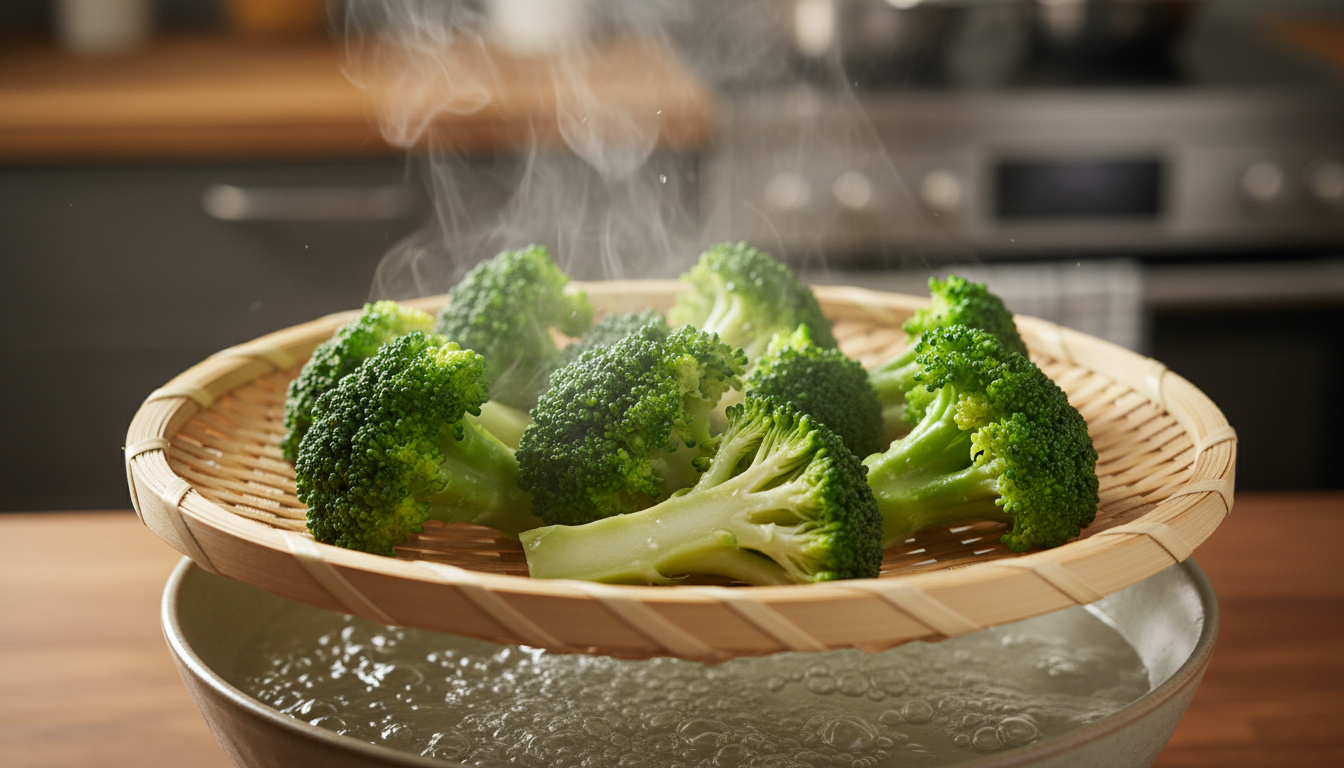

Cooking broccoli perfectly requires balancing texture, flavor, and nutritional value. Whether preparing fresh florets for a weeknight dinner or using frozen vegetables for convenience, the method you choose determines everything from vitamin retention to mouthfeel.
Multiple techniques exist for transforming this cruciferous vegetable from raw and fibrous to tender and appealing. Each approach—steaming, roasting, sautéing, or quick-cooking—offers distinct advantages depending on your priorities, whether maximizing health benefits or achieving caramelized edges.
Understanding the precise timing and preparation steps prevents the common pitfall of overcooking, which ruins texture and depletes nutrients. This guide examines evidence-based methods for achieving optimal results across six primary cooking techniques.
What’s the Best Way to Cook Broccoli?
No single method suits every kitchen scenario. The optimal technique depends on whether you prioritize nutrient preservation, speed, or flavor development through browning.
| Method | Time | Texture | Best For |
|---|---|---|---|
| Steaming | 3-7 minutes | Tender-crisp, vibrant | Nutrient retention |
| Roasting | 10-20 minutes | Caramelized, crispy edges | Maximum flavor |
| Sautéing | 8 minutes | Lightly charred, crisp-tender | Quick weeknight meals |
| Boiling | 3-5 minutes | Soft (if monitored) | Blanching prep only |
Key Insights for Success
- Cut florets uniformly to 1-2 inches for even cooking
- High heat prevents the release of excess moisture that creates mushiness
- Overcrowding pans traps steam and leads to soggy texture
- Fresh broccoli offers superior texture compared to frozen, though both work for steaming
- Stems require thinner slicing than florets due to density
- Lemon juice and salt enhance flavor without masking the vegetable’s natural sweetness
- Testing doneness with a fork should reveal slight resistance for optimal al dente texture
Nutritional Profile per 100g
| Nutrient | Amount | % Daily Value |
|---|---|---|
| Calories | 34 kcal | 2% |
| Vitamin C | 89.2 mg | 99% |
| Fiber | 2.6 g | 9% |
| Vitamin K | 101.6 mcg | 85% |
| Folate | 63 mcg | 16% |
| Potassium | 316 mg | 7% |
| Protein | 2.8 g | 6% |
| Sulforaphane | Present | Anti-cancer compounds |
Data sourced from USDA FoodData Central.
How to Steam Broccoli Perfectly
Steaming preserves water-soluble vitamins better than boiling because the vegetables never submerge in cooking liquid. This method yields tender-crisp results with minimal equipment.
Preparation and Setup
Wash the broccoli thoroughly and cut into uniform florets measuring 1-2 inches. Trim tough stem ends and slice stems thinly, as they require longer cooking times than florets. Place 2 tablespoons of water in a pot, add the broccoli, and cover with a tight-fitting lid. Alternatively, use a steamer basket or mesh set over boiling water.
Timing and Doneness
Cook over medium heat for 3 to 7 minutes. Test doneness by piercing with a knife or fork—the vegetable should yield easily while retaining structural bite. Stop cooking when the color turns vibrant dark green to prevent overcooking. According to culinary analysis, steaming for three minutes achieves optimal nutrient preservation while maintaining texture Mashed cooking guide.
Steam broccoli for exactly three minutes to retain the highest concentration of heat-sensitive nutrients, particularly vitamin C and antioxidants. This method preserves sulforaphane content better than boiling, supporting the vegetable’s documented anti-cancer properties.
Roasting Broccoli in the Oven
Roasting develops complex flavors through the Maillard reaction, creating caramelized edges and browned surfaces that appeal to those who find steamed vegetables too bland.
High-Temperature Technique
Preheat the oven to 425°F. Arrange florets on a baking sheet without overcrowding, allowing space for air circulation. Roast uncovered for 10 to 20 minutes until edges brown. For a softer texture, cover the dish and roast at 350°F for 15 minutes with a small amount of water added Food Republic cooking methods.
Achieving Crispy Texture
Smashing florets slightly before roasting increases surface contact with the pan, promoting crispiness. Avoid crowding, which traps steam and creates mushy results. Expect to scrub the pan afterward, as caramelized bits adhere to surfaces.
Quick Methods: Boiling, Microwaving, and Air Frying
When time constraints dominate, these faster methods deliver cooked broccoli within minutes, though with varying impacts on texture and nutrition.
Boiling and Blanching
Boil florets for 2 to 5 minutes in salted water, then immediately transfer to ice water to stop the cooking process. This blanching technique sets color and texture while preparing the vegetable for subsequent roasting or stir-frying. Avoid prolonged boiling as a standalone method, as it risks mushy texture and significant nutrient loss Food Republic culinary analysis.
Boiling ranks lowest for nutrient retention among all cooking methods. Prolonged submersion in water leaches heat-sensitive vitamins like vitamin C into the cooking liquid, leaving the vegetable nutritionally depleted and often mushy in texture.
Microwave Preparation
Place broccoli in a covered bowl or plate with a small amount of water. Microwave on high power for 45 seconds to 2 minutes depending on quantity. Use a ceramic lid to trap steam effectively. This method produces soft, moist results quickly but yields less sweetness than stovetop steaming.
Air Fryer Results
Coat florets lightly with oil and cook at 370°F for 8 minutes. The result features crispy, browned tops without heavy oil usage. Rankings suggest this method proves convenient but requires experimentation with timing and oil types to avoid drying the vegetable Mashed cooking rankings.
Rinse frozen broccoli under cool water before cooking to remove excess ice crystals. Do not thaw—steam directly from frozen for best results, though fresh florets generally yield superior texture and flavor.
How to Stir-Fry or Sauté Broccoli
Sautéing offers a healthier alternative to traditional stir-frying while achieving similar flavor profiles through dry heat and oil contact.
Skillet Technique
Heat 2 tablespoons of oil in a lidded skillet until hot. Add broccoli and cook uncovered on high heat for 1 to 2 minutes to develop char, then cover and reduce to medium-high heat. Stir every 1 to 2 minutes for a total cooking time of 8 minutes. Spritz with lemon juice immediately after cooking to brighten flavor Dishing Out Health recipe guide.
Stir-Fry Specifics
For traditional stir-frying, pre-steam or blanch the broccoli first, then add to a hot wok for 2 to 4 minutes over medium heat. Test the pan temperature using the crackle test—drops of water should evaporate immediately upon contact. Add ingredients sequentially based on density.
How Long Does It Take to Cook Broccoli?
Cooking durations vary significantly by method and desired texture. The following timeline presents standard timings based on 1-2 inch florets:
- Microwave: 45 seconds to 2 minutes on high power
- Blanching: 2 to 5 minutes in boiling water
- Stir-Frying: 3 to 4 minutes over medium heat (after pre-steaming)
- Steaming: 3 to 7 minutes over simmering water
- Sautéing: 8 minutes total (1-2 minutes uncovered high heat, then covered)
- Air Frying: 8 minutes at 370°F
- Roasting: 10 to 20 minutes at 425°F
Is It Better to Steam or Boil Broccoli?
Research establishes clear distinctions between these common methods, though individual circumstances may influence the final decision. For more details on cooking broccoli, you can explore various methods and their timings at Gurkemeie på norsk.
| Established Findings | Remaining Considerations |
|---|---|
|
|
Analysis based on Harvard Health vegetable nutrition research and Colorado State University Extension data.
What Is the Healthiest Way to Cook Broccoli?
Nutritional science indicates that steaming provides the optimal balance of nutrient preservation and palatability. This method avoids the water leaching that depletes heat-sensitive vitamins while maintaining the vegetable’s characteristic crunch. Sautéing emerges as the second-best option, utilizing trapped steam within a covered skillet without requiring full submersion.
Roasting and air frying enhance flavor profiles through browning reactions but may slightly degrade water-soluble vitamins due to dry heat exposure. However, these methods still preserve the vegetable’s core benefits, including fiber content and sulforaphane compounds associated with anti-cancer effects. For those monitoring dietary health alongside other conditions, understanding nutritional preparation parallels understanding various health indicators.
For maximum nutritional benefit, steam broccoli for three minutes or sauté for eight minutes, then season simply with lemon and salt. These preparation times align with clinical observations regarding vitamin retention and texture optimization. Those seeking fresh ingredients locally might check Tesco near me for availability.
Expert Sources and Methodology
This analysis synthesizes culinary testing and nutritional research to evaluate cooking methods objectively.
Steaming tops for vitamin retention as it avoids water leaching; sautéing follows by trapping steam without boiling. For max nutrition: Steam 3 min or sauté 8 min.
— Food Republic Culinary Analysis and Nutrition Research
The healthiest methods prioritize steaming and sautéing for superior nutrient retention, especially vitamin C, while achieving tender-crisp textures.
— Comparative Cooking Method Analysis
Medical professionals emphasize that nutrient retention in cooking parallels other health maintenance strategies. For information regarding vascular health concerns, see blood clot symptoms.
Summary
Steaming remains the superior method for preserving broccoli’s vitamin C and antioxidant content while achieving desirable texture, requiring only 3 to 7 minutes over simmering water. Roasting delivers superior flavor through caramelization but demands 10 to 20 minutes at high heat. Avoid boiling as a primary method due to documented nutrient leaching and texture degradation. For frozen varieties, rinse under cool water and steam directly without thawing. Uniform cutting, high heat application, and precise timing prevent the common error of mushy, overcooked results.
Frequently Asked Questions
How do you cook broccoli so it’s not mushy?
Avoid overcrowding pans, use high heat, and monitor timing precisely. Cut florets uniformly to 1-2 inches and stop cooking when they turn vibrant dark green and pierce easily while retaining resistance.
How to cook frozen broccoli?
Rinse under cool water to remove ice crystals, then steam directly without thawing. Steaming works particularly well for frozen varieties, though fresh generally yields better texture.
How to blanch broccoli?
Boil florets for 2 to 5 minutes in salted water, then immediately transfer to ice water. This sets color and texture while preparing the vegetable for roasting or stir-frying.
Can you microwave broccoli?
Yes. Place in a covered bowl with water and microwave on high for 45 seconds to 2 minutes. Use a ceramic lid to trap steam for even cooking.
How do you prepare broccoli stems for cooking?
Trim tough ends and slice stems into thin, bite-sized pieces. Stems cook slower than florets due to density, so thinner slicing ensures even cooking throughout.

Victoria Hale is Managing Editor at PublicReport, running the daily news list, the publishing schedule, and the editorial workflow.