
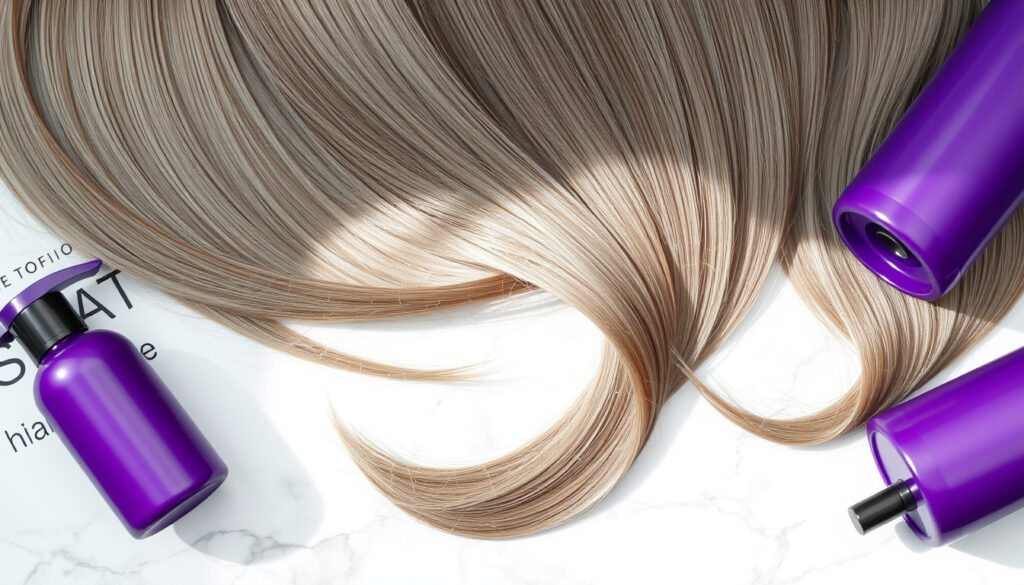
Ash brown hair color occupies a distinctive space in the brunette spectrum, blending classic brown tones with cooler, more muted undertones that set it apart from warmer shade relatives. This sophisticated hue has steadily gained popularity among those seeking a neutral, refined look that complements a wide variety of skin tones and personal styles.
Unlike traditional brown shades that lean golden, copper, or chocolate, ash brown derives its character from gray, silver, and smoky pigments. The result is a multidimensional color that reads as both natural and polished, offering versatility that works equally well for full coverage color, subtle balayage highlights, or blended ombre techniques. Industry professionals have noted that the shade provides a sleek, modern finish that avoids the brassiness often associated with lighter brown tones.
The growing interest in ash brown reflects broader movements toward cool-toned hair colors and low-maintenance styling options. Whether applied as an all-over shade or integrated through strategic highlighting techniques, ash brown delivers visual depth while maintaining a relatively understated appearance that suits professional and casual environments alike.
What Is Ash Brown Hair Color?
Ash brown represents a light to medium brown shade characterized by cool gray, silver, or smoky undertones. These cooler pigments create a neutral, sophisticated brunette look that distinguishes ash brown from warmer browns such as chocolate, caramel, or honey. The shade blends brown tones with icy, muted hues to produce a sleek, versatile finish suitable for various application techniques.
The color works particularly well for balayage, highlights, ombre, and all-over color applications. Each technique leverages the shade’s cool undertones differently, creating varying levels of dimension and warmth cancellation depending on the desired outcome.
Shades and Variations
Ash brown encompasses several sub-shades that allow for customization based on individual preferences and existing hair color. Dark ash brown offers extra depth with no warmth, making it ideal for medium to dark skin tones and effectively countering traditional reddish or golden dark browns. Medium ash brown presents a muted brown with subtle gray tones for a soft, natural appearance that complements cool undertones particularly well.
Ash bronde combines bright ash brown tones with cool blonde elements, flattering medium to dark skin with olive undertones while enhancing face-framing sections. The toffee ash blend provides a subdued true ash brown with lowlights for added dimension, best suited for light to medium skin tones. Ash grey-brown delivers a shimmery finish with silver highlights, particularly useful for those transitioning to gray hair as it mimics natural salt-and-pepper roots.
These variations create a moody, matte effect compared to the more vibrant appearance of warm shades. The subtle pigmentation absorbs light differently than warmer browns, resulting in a more muted, sophisticated finish that reads differently depending on lighting conditions and surrounding colors.
- Ash brown has risen significantly in popularity during 2024-2025, becoming a dominant cool-toned trend
- The shade’s low brassiness appeal makes it easier to maintain than warmer brown alternatives
- Versatile enough for balayage applications, allowing gradual blending with natural regrowth
- Silver and gray undertones create dimensional depth without appearing flat
- Complements both formal and casual styling with equal appropriateness
- Works across multiple hair textures and curl patterns
- Provides flattering contrast for medium and darker skin tones when properly matched
| Aspect | Details |
|---|---|
| RGB Value | Approximately 105, 77, 66 |
| Hair Level | 5-7 (medium brown range) |
| Undertone Family | Cool (blue-gray base) |
| Complementary Colors | Platinum blonde highlights, silver accents |
| Neutralizing Effect | Cancels red and orange warmth |
| Finish Type | Matte/satin with subtle shimmer |
| Best Lighting | Natural daylight shows true tone |
What Skin Tones Suit Ash Brown Hair?
Ash brown flatters a wide range of skin tones but demonstrates particular excellence on cool or neutral undertones. Skin with pinkish, bluish, or pale undertones pairs exceptionally well with ash brown because the cool gray and silver pigments in the color create visual harmony rather than clashing with the skin’s natural coloring. This compatibility helps balance redness, enhance eye color, and establish overall tonal coherence between hair and skin.
Matching by Undertone
For cool or pale skin tones, ash brown softens pink or red areas while making the skin appear to glow. Lighter eyes tend to pop against the cool background, creating striking contrast that many find flattering. Both all-over color and balayage applications work effectively on this skin type, with the choice depending largely on desired maintenance levels and natural hair appearance.
Neutral or fair skin tones benefit from the shade’s ability to harmonize without creating noticeable contrast or clash. Medium ash and toffee ash variations particularly suit this category, producing a balanced, natural glow that appears effortless rather than deliberate. The muted quality of ash brown prevents the hair from overwhelming fair complexions.
Warm or olive skin tones require a more considered approach when selecting ash brown variations. Using a neutral base combined with ash balayage or ombre techniques helps avoid overwhelming warmth while still incorporating the desired cool tones. Darker ash variations generally work better for this skin category, providing flattering contrast without appearing too ashy or gray against the skin’s golden undertones.
Medium or dark skin tones pair well with dark ash brown or ash bronde applications. These variations add meaningful contrast without overpowering the richness of deeper complexions. The cool tones stand out against warmer skin without appearing unnatural or overly washed out.
Ash brown particularly suits individuals who fall within Summer color seasons, specifically True Summer and Soft Summer palettes. These seasonal color analysis categories feature muted, cool-toned palettes that align naturally with ash brown’s characteristics. A professional color consultation can help determine your personal color season and whether ash brown represents an optimal choice for your overall coloring.
| Skin Undertone | Best Ash Brown Approach | Why It Works |
|---|---|---|
| Cool (pink/blue) | All-over or balayage | Neutralizes redness, enhances coolness |
| Neutral/Fair | Medium/toffee ash | Balanced, natural glow |
| Warm (golden/olive) | Neutral base + ash highlights/ombre | Subtle smoke without clash |
| Medium/Dark | Dark ash or bronde | Flattering contrast |
While specific guidance exists for each skin undertone category, anyone can successfully wear ash brown with input from a skilled colorist who can customize the shade and technique to the individual’s unique coloring, hair condition, and lifestyle requirements. The key lies in proper formulation and application rather than adhering rigidly to general guidelines.
How to Get Ash Brown Hair Color
Achieving ash brown hair color involves different processes depending on your starting point. From dark hair that often carries warm, red, or golden tones, achieving ash brown typically requires pre-lightening to lift existing brassiness before applying an ash toner to neutralize yellow and orange pigments. This two-step process ensures the cool undertones can develop properly without interference from residual warmth.
From Dark Hair
When transitioning from dark hair to ash brown, professionals recommend a careful approach that prioritizes hair health while achieving the desired cool tone. Lightening first removes existing color molecules and creates a blank canvas for ash pigments to attach. The subsequent application of ash toner introduces the gray, blue, or green undertones that cancel warm reflections.
Balayage or strategic highlights offer an alternative approach for those preferring a more gradual transition. These techniques allow ash tones to be blended with existing natural color, creating dimension while easing the commitment level. This method particularly appeals to individuals who want to test the shade before committing to full coverage.
From Chocolate Brown
Chocolate brown, with its warmer base, requires specific adjustments to transform into ash brown. The key challenge lies in cooling down the existing warm pigments while preventing the red tones from reasserting themselves as the color fades. Professional colorists recommend formulations specifically designed to counter warmth rather than simply adding ash pigments over existing color.
The process typically involves pre-lightening if the chocolate shade sits at a darker level, applying ash dye formulated with gray-blue-green undertones, and toning to eliminate any remaining red, orange, or yellow tones. Proper timing and developer selection significantly impact the final result, making salon application preferable for dramatic transformations.
Best Ash Brown Hair Dyes
Professional-grade products consistently deliver superior results for ash brown applications. Wella Color Touch provides true-to-tone ash highlights that maintain their cool character through approximately 28 washes before beginning to fade toward warmer neutral brown. This product allows colorists to add silver tones that blend natural gray hair seamlessly.
Schwarzkopf offers formulations specifically developed for trendy ash brown applications, with color molecules designed to resist warmth reassertion during the fading process. These professional products contain higher-quality pigments and conditioning agents than mass-market alternatives, resulting in more even coverage and reduced damage.
When selecting ash brown products, look for shade names that explicitly reference ash, cool, or smoky undertones. Products labeled simply as “brown” typically contain warm undertones that work against the desired effect. Reading ingredient lists for blue, green, or gray pigments can help identify true ash-formulated products.
How to Maintain Ash Brown Hair
Maintaining ash brown hair requires attention to both color preservation and tone management. Cool tones naturally fade toward warmer neutral brown when exposed to environmental factors and regular washing, making proactive maintenance essential for preserving the shade’s distinctive character. Understanding how the color behaves as it fades helps set realistic expectations and inform care routines.
Understanding Fading Patterns
Ash brown fades gracefully to neutral brown rather than developing unwanted brassy tones. This characteristic represents a significant advantage over warmer shades that often shift toward orange or copper as pigment diminishes. The fading process typically unfolds over several weeks, with the color gradually warming as silver and gray pigments deplete before brown tones begin to lift.
Environmental factors accelerate fading in ash brown hair. Sun exposure, chlorine, and heat styling all contribute to faster pigment loss. Implementing protective measures such as UV-protectant products, swimmer’s caps in chlorinated water, and reduced heat styling frequency extends the life of ash treatments significantly.
Toner Maintenance
Ash toners counteract brassiness by depositing cool pigments that neutralize yellow, orange, and red tones. These products should be applied to lightened hair to eliminate unwanted warmth before ash color application, and periodically thereafter to maintain the desired cool balance. The frequency depends on individual hair texture, washing habits, and environmental exposure.
Professional toning appointments every four to six weeks help maintain the ash quality in the color. Between salon visits, purple or blue shampoos designed for color-treated hair provide gentle toning that extends the interval between intensive treatments. These specialized products deposit small amounts of cool pigment with each use, gradually refreshing the ash quality without the intensity of professional toners.
Daily Care Recommendations
Color-safe shampoos formulated without sulfates preserve ash brown pigmentation more effectively than standard varieties. These gentle cleansers remove dirt and oil without stripping color molecules, extending the interval between coloring sessions. Moisturizing treatments also play an essential role, as healthy, well-conditioned hair holds color more evenly and reflects light more attractively.
Shine sprays such as EIMI Glam Mist provide.refreshment for fading ash brown, adding luminosity that enhances the cool shimmer characteristic of the shade. These products work particularly well in spring and summer months when natural light emphasizes the silver and gray undertones most effectively. Application to mid-lengths and ends rather than the scalp prevents buildup while maximizing visual impact. For more on ash brown hair color trends and maintenance, check out Oliver Ingrosso flickvän Zoe Fay Brown.
Ash brown requires medium commitment levels, with professional toner applications typically needed every four to six weeks for those seeking consistent cool undertones. Individuals who prefer low-maintenance approaches should discuss demi-permanent formulas or root-smudging techniques with their colorist to reduce the precision required for upkeep.
Ash Brown Hair Color Ideas and Inspiration
Ash brown hair color lends itself to numerous creative applications that leverage its cool undertones and versatile pigmentation. The shade’s compatibility with various highlighting and coloring techniques allows for customized looks ranging from subtle natural enhancement to dramatic transformation. Exploring different approaches helps identify the right application method for individual preferences and lifestyle requirements.
Trending Techniques for 2025
Smoky balayage remains among the most requested ash brown techniques heading into 2025. This application method involves painting ash brown tones strategically throughout the hair, concentrating darker ash at the roots and lighter variations through the lengths and ends. The gradient effect creates natural-looking depth while maintaining the cool, moody aesthetic that defines ash brown.
Ash grey-brown has gained significant traction among those incorporating gray hair, providing a sophisticated option for blending silver strands with brown base color. The technique involves applying ash brown with silver highlights throughout, creating dimension that mimics natural salt-and-pepper coloring. This approach works particularly well for clients in their thirties through fifties who want to embrace graying without committing to full gray coverage.
Face-framing bronde applications have emerged as a popular technique, using ash brown with cool blonde accents around the face to brighten the complexion and draw attention to facial features. Lowlighted toffee variations add subtle dimension through strategic lowlight placement, preventing the flat appearance that can result from single-process ash brown applications.
Application Across Hair Lengths
Ash brown adapts effectively to all hair lengths, with technique adjustments ensuring flattering results regardless of styling approach. Short hair benefits from full coverage or subtle highlight applications that add dimension without complexity. Medium-length hair accommodates all techniques including balayage, ombre, and strategic highlights, with the additional length allowing for more dramatic color gradients.
Long hair provides the canvas for the most extensive ash brown applications, including full smoky treatments that create a dramatic, polished appearance. The additional hair weight allows multiple shades to be blended seamlessly, with dark ash at roots transitioning through medium ash through the body to lighter ash at the ends. This dimensional approach prevents long ash brown hair from appearing too heavy or one-dimensional.
For those transitioning from black or very dark brown hair, prioritizing cool and neutral ash variations minimizes the commitment required while providing the desired cool-toned result. Starting with subtle ash highlights or lowlights allows experimentation with the shade before more extensive applications.
The Rise of Ash Brown: A Trend Timeline
Understanding ash brown’s trajectory provides context for its current popularity and offers insight into how the trend might continue evolving. The shade’s journey from niche professional formulation to mainstream color choice reflects broader shifts in hair fashion toward cooler, more sophisticated tones.
- 2010s: Ash brown emerged primarily within professional salon contexts, used by colorists seeking to neutralize unwanted warmth in lightened hair. Balayage techniques began featuring ash brown as an alternative to traditional warm browns, establishing early associations between the shade and natural-looking dimension.
- 2020: Social media platforms, particularly TikTok and Instagram, propelled ash brown into broader visibility. Content featuring dramatic ash transformations accumulated millions of views, creating demand among consumers who had previously encountered the shade only through professional consultations.
- 2025: Ash brown has established itself as a top cool-tone trend, with projections indicating continued dominance through the year. The shade now appears across all market segments from professional-only products to mass-market offerings, signaling complete market integration.
Key Facts and Uncertainties
Clarifying what is definitively known about ash brown hair color versus what varies based on individual circumstances helps set appropriate expectations before committing to the shade or specific application techniques.
Established Information
- Ash brown contains cool gray, silver, or smoky undertones distinct from warm browns
- The shade neutralizes warm pigments including red, orange, and yellow
- Cool tones fade to neutral brown rather than brassiness
- Professional products consistently outperform mass-market alternatives
- Ash undertones require maintenance to remain cool over time
- The shade suits Summer color seasons particularly well
Individual Variations
- Results vary significantly based on starting hair color and condition
- Fading patterns depend on individual hair texture and care habits
- Maintenance frequency requirements differ substantially between individuals
- Skin tone compatibility guidelines may not apply to all within each category
- Product performance varies based on individual hair chemistry
- Exact longevity of ash tones depends on numerous environmental factors
Ash Brown in Context: Broader Hair Color Trends
Ash brown represents part of a larger movement toward cool-toned hair colors that has characterized recent fashion cycles. This shift reflects changing preferences among consumers seeking sophistication over warmth, and subtlety over boldness in their hair color choices. The brunette-blonde hybrid aesthetic that ash brown evokes aligns with broader style preferences emphasizing refined, editorial appearances.
The shade’s association with professionalism and versatility contributes to its sustained popularity across demographics. Unlike trend-driven colors that may feel too bold or commitment-heavy, ash brown reads as polished and intentional without appearing overly deliberate or fashion-forward. This balance between trend relevance and timelessness positions ash brown for continued popularity rather than rapid decline.
Comparing ash brown to other brown variations highlights its distinctive characteristics. Chocolate brown, caramel, and honey browns all contain warm undertones that create a different visual effect despite sharing the brown base classification. Ash brown’s cool undertones set it apart aesthetically while offering practical benefits for those managing unwanted warmth in their hair color.
Expert Perspectives on Ash Brown
Professional stylists and brand representatives have offered insights into ash brown’s appeal and practical application. These perspectives provide valuable guidance for those considering the shade or seeking to optimize their current ash brown color.
The cool-toned brunette trend continues to gain momentum as clients seek sophisticated options that complement modern wardrobes and lifestyle requirements. Ash brown provides that neutral foundation that works across professional and casual contexts while maintaining visual interest through its subtle undertones.
— Wella Professionals Color Team
The smoky balayage look has become synonymous with cool sophistication. Clients appreciate how ash brown techniques create dimension without the maintenance demands of lighter cool-toned shades, allowing for a polished appearance with manageable upkeep.
— Schwarzkopf Color Education
Summary
Ash brown hair color offers a sophisticated, cool-toned alternative to traditional warm browns, with versatility that accommodates various skin tones, application techniques, and personal styles. The shade’s gray, silver, and smoky undertones create distinctive dimensionality while neutralizing unwanted warmth. Achieving and maintaining ash brown requires attention to proper products and maintenance routines, but the sophisticated results justify the investment for those seeking a polished, modern hair color option.
Whether applied as full coverage color, strategic highlights, or blended ombre techniques, ash brown delivers visual depth and tonal refinement that suits professional and casual environments equally. Those interested in exploring how ash brown might complement their existing coloring can find additional guidance in our comprehensive Tom Ford Lost Cherry review, which discusses related color concepts and styling approaches.
Frequently Asked Questions
What is the best ash brown hair dye?
Professional-grade dyes such as Wella Color Touch and Schwarzkopf formulations consistently deliver superior results compared to mass-market alternatives. These products contain higher-quality pigments and conditioning agents that ensure even coverage and reduced damage while maintaining true ash undertones through multiple washes.
Can you get ash brown hair from dark hair?
Achieving ash brown from dark hair typically requires pre-lightening to remove existing warm pigments, followed by ash toner application to introduce cool undertones. Balayage or strategic highlights offer a more gradual transition approach for those preferring to ease into the shade.
What toner works best for ash brown hair?
Ash toners containing gray, blue, or green pigments effectively neutralize red, orange, and yellow undertones. Professional toners applied in salon provide the most reliable results, while purple or blue shampoos offer gentle maintenance between appointments.
Is ash brown hair high maintenance?
Ash brown requires medium commitment levels, with professional toner applications typically needed every four to six weeks. Between appointments, using color-safe products without sulfates and limiting heat styling and sun exposure helps extend the life of the color.
Does ash brown suit warm skin tones?
Warm or olive skin tones can wear ash brown when the formulation uses a neutral base combined with strategic ash highlights or ombre techniques. Darker ash variations generally work better for this undertone category, providing flattering contrast without appearing too ashy.
How does ash brown fade compared to warm browns?
Ash brown fades gracefully to neutral brown rather than developing brassiness, which represents a significant advantage over warm browns. The fading process occurs gradually as silver and gray pigments deplete before brown tones begin to lift, maintaining a pleasant appearance throughout.
What is the difference between ash brown and chocolate brown?
Chocolate brown contains warm undertones with red and golden reflections, while ash brown features cool gray, silver, or smoky undertones. This fundamental difference affects how each shade interacts with skin tones, photographs, and fades over time.
Can ash brown cover gray hair?
Ash brown effectively covers gray hair, particularly when applied through balayage techniques that mimic natural silver roots. The cool undertones blend seamlessly with existing gray, creating a natural appearance that requires less frequent touch-ups than uniform color applications.

Marcus Webb is Politics & Public Affairs Editor at PublicReport, covering Westminster, Whitehall, devolved governments, public policy and UK political affairs.