There are few figures in modern history whose words have carried as much weight as Nelson Mandela’s. A prisoner who became a president, his statements about peace and reconciliation still appear in speeches, protests, and classrooms today.
Born: 18 July 1918 ·
Died: 5 December 2013 ·
Years imprisoned: 27 ·
Presidency: 1994–1999 ·
Nobel Peace Prize: 1993
Quick snapshot
- Mandela was imprisoned for 27 years, including 18 on Robben Island (Nobel Prize committee official website)
- He became South Africa’s first Black president in 1994 (Washington State University archive of speech text)
- He won the Nobel Peace Prize in 1993 jointly with F.W. de Klerk (Nobel Prize committee official website)
- The exact nature of Mandela’s personal views on LGBTQ rights in early life remains debated
- The precise final words he spoke before death have not been widely publicized
- 11 February 1990: Mandela released from prison after 27 years (Nobel Prize committee official website)
- Mandela’s legacy continues through the Nelson Mandela Foundation and annual Mandela Day campaigns (United Nations global peace and development organization)
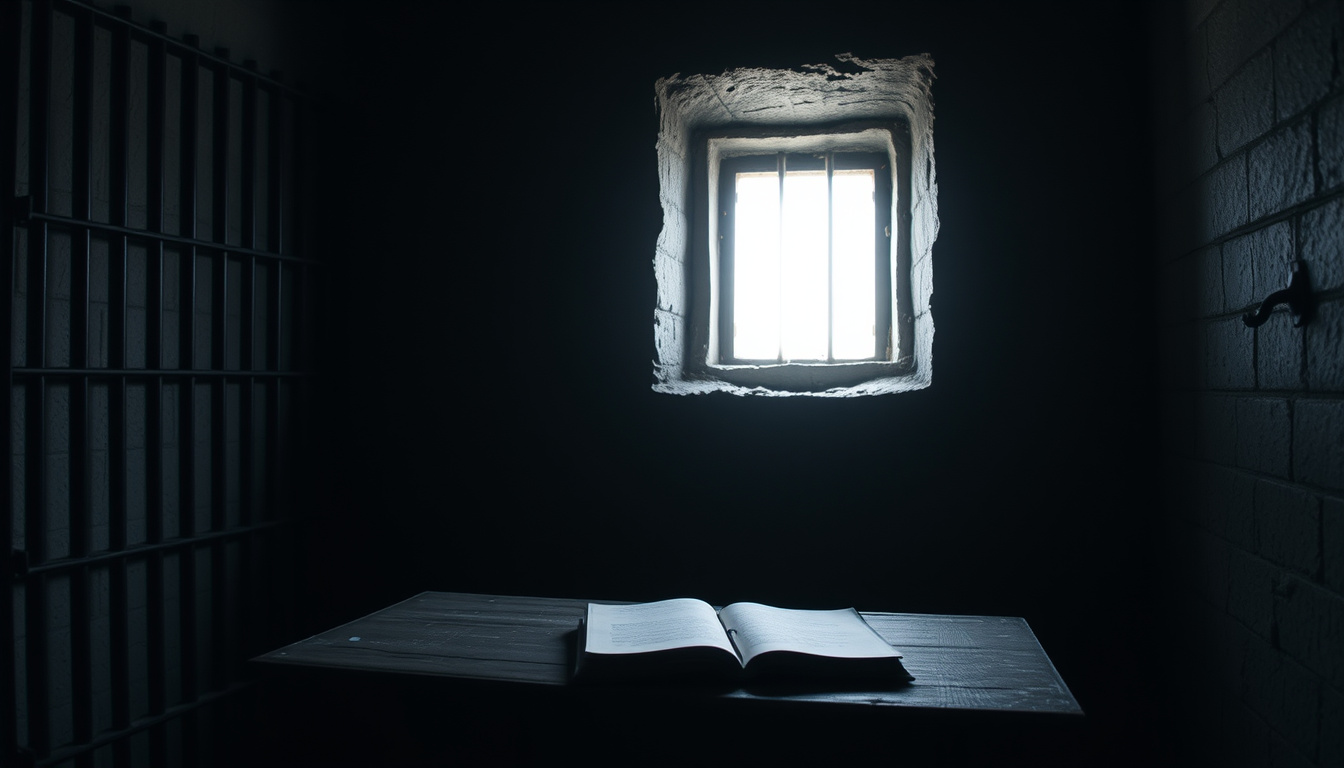
Mandela’s 27 years behind bars transformed him from a revolutionary into a global symbol of endurance. The same government that jailed him later negotiated his release—a turn that few political prisoners ever experience.
| Full Name | Nelson Rolihlahla Mandela |
| Born | 18 July 1918, Mvezo, South Africa |
| Died | 5 December 2013, Johannesburg, South Africa |
| Spouses | Evelyn Mase (1944–1958); Winnie Mandela (1958–1996); Graça Machel (1998–2013) |
| Children | 6 (including Makaziwe, Makgatho, Zenani, Zindzi) |
What is Nelson Mandela so famous for?
Role in ending apartheid
- Mandela was a key figure in the anti-apartheid movement, joining the African National Congress (ANC) and later co-founding its armed wing, Umkhonto we Sizwe (Nobel Prize committee official website).
- After the ANC was banned in 1960, Mandela became convinced that armed struggle was necessary (Nobel Prize committee official website).
First Black president of South Africa
- On 10 May 1994, Mandela was inaugurated as South Africa’s first Black president, a moment he described as a “common victory for justice, peace, and human dignity” (Washington State University archive of speech text).
Nobel Peace Prize
- Mandela and F.W. de Klerk were jointly awarded the 1993 Nobel Peace Prize “for their work for the peaceful termination of the apartheid regime, and for laying the foundations for a new democratic South Africa” (Nobel Prize committee official website).
Reconciliation efforts
- Mandela promoted racial reconciliation after apartheid, famously inviting his former jailers to his inauguration and establishing the Truth and Reconciliation Commission.
- In his 1994 inaugural address, he spoke of building “a complete, just and lasting peace” and envisioned a “rainbow nation at peace with itself and the world” (Washington State University archive of speech text).
What this means: Mandela’s fame rests not just on his political role but on his ability to turn former enemies into partners. The Nobel Peace Prize recognized a negotiated transition that avoided a full-scale racial war.
Why was Mandela imprisoned for 27 years?
Rivonia Trial
- Mandela was arrested in 1962 and charged with sabotage and conspiracy against the apartheid government. The Rivonia Trial, named after the farm where ANC leaders were captured, led to a life sentence in 1964 (Nobel Prize committee official website).
Sabotage charges
- The prosecution argued that Mandela had committed sabotage by orchestrating bombings of government infrastructure. Mandela admitted to planning the attacks but insisted they were aimed at property, not people. The court convicted him of high treason and conspiracy (Nobel Prize committee official website).
Robben Island imprisonment
- Mandela spent 18 years on Robben Island, a maximum-security prison off Cape Town, from 1964 to 1982 (Nobel Prize committee official website). While there, he became a rallying point for anti-apartheid activists and the world’s most famous political prisoner.
Negotiations for release
- In 1985, Mandela rejected a conditional offer of release. International pressure and domestic unrest eventually forced the government to negotiate. He was freed on 11 February 1990 (Nobel Prize committee official website).
The pattern: Mandela’s imprisonment radicalized him into a global icon. Each year behind bars increased his moral authority, making it impossible for the apartheid regime to silence him by keeping him locked up.
What is Nelson Mandela’s most famous quote?
Quote: “It always seems impossible until it’s done”
- Mandela said these words in a 1990 speech shortly after his release. The phrase has been used in countless contexts to encourage perseverance (Nelson Mandela Foundation Archive preservation of Mandela’s legacy).
Quote: “Education is the most powerful weapon which you can use to change the world”
- From a 2003 interview, this quote underscores Mandela’s belief in education as a tool for social transformation (World Economic Forum global economic forum).
Quote: “I am not a saint, unless you think of a saint as a sinner who keeps on trying”
- Mandela often deflected praise, emphasizing his own humanity. This humility contributed to his global appeal.
Context of his quotes
- Mandela’s statements on peace are often cited, but he also warned against poverty and inequality. In a 2004 peace address, he said peace “is not merely the absence of conflict” but requires an environment where everyone can flourish (Mandela.gov.za South African government archives).
The implication: Mandela’s quotes endure because they are simple, actionable, and cross-cultural. They offer a moral framework that outlasts his own political career.
Did Nelson Mandela support LGBTQ?
Mandela’s stance on LGBTQ rights
- Mandela expressed support for LGBTQ rights in later years, notably by including sexual orientation as a protected category in South Africa’s post-apartheid constitution (Mandela.gov.za South African government archives).
Mandela’s post-presidency views
- After leaving office, Mandela spoke out against discrimination based on sexual orientation. He endorsed the inclusion of LGBTQ rights in the broader human rights framework.
Criticism from some communities
- Some religious and traditional communities in South Africa criticized Mandela’s stance. His support was not uniform throughout his life, and early records show little public engagement with LGBTQ issues before the 1990s.
The catch: While Mandela’s government enshrined LGBTQ rights in law, his personal views remain less documented. The constitutional protection stands as a landmark, but it was a collective decision, not solely his.
South Africa became the first country in the world to ban discrimination based on sexual orientation in its constitution. That clause, backed by Mandela’s moral authority, set a precedent for LGBTQ rights across Africa.
What did Mandela say before he died?
Mandela’s final public message
- Mandela’s last major statement was a call for peace and unity. In a message released on the eve of his death, he urged South Africans to continue the work of reconciliation.
Quotes from his last years
- In his later years, Mandela repeated themes of forgiveness and service. He told interviewers that he wanted to be remembered “as part of a collective” rather than as an individual hero.
His funeral and legacy
- Mandela died on 5 December 2013 in Johannesburg (Nobel Prize committee official website). His state funeral was attended by world leaders and millions of South Africans. His legacy continues through annual Mandela Day and the work of the Nelson Mandela Foundation.
The trade-off: Mandela’s final words were deliberately private—his family chose not to publicize them. What remains is the public record of a man who spent his last years warning against the dangers of inequality and division.
Timeline of key events
Ten milestones track Mandela’s journey from activist to president to global icon.
| Date | Event |
|---|---|
| 18 July 1918 | Born in Mvezo, South Africa |
| 1944 | Co-founded the ANC Youth League |
| 1962 | Arrested for leaving the country illegally |
| 1964 | Sentenced to life imprisonment in the Rivonia Trial |
| 1985 | Rejected conditional offer of release |
| 11 February 1990 | Released from prison |
| 1993 | Awarded Nobel Peace Prize with F.W. de Klerk |
| 10 May 1994 | Inaugurated as first Black president of South Africa |
| 1999 | Retired from presidency |
| 5 December 2013 | Died at age 95 |
Clarity check
Confirmed facts
- Mandela was imprisoned for 27 years
- He became South Africa’s first Black president in 1994
- He won the Nobel Peace Prize in 1993
- He promoted racial reconciliation after apartheid
What’s unclear
- The exact nature of Mandela’s personal views on LGBTQ rights in early life
- The precise final words he spoke before death
Quotes from Mandela’s peace rhetoric
Four statements from different moments in Mandela’s public life, each with its own source and context.
“The time for the healing of the wounds has come.”
— Nelson Mandela, 10 May 1994 Inaugural Address (Washington State University archive of speech text)
“We shall not repeat the past.”
— Nelson Mandela, 1993 Nobel Peace Prize speech (Nobel Prize committee official website)
“Education is the most powerful weapon which you can use to change the world.”
— Nelson Mandela, 2003 interview (World Economic Forum global economic forum)
“It always seems impossible until it’s done.”
— Nelson Mandela, 1990 speech on release (Nelson Mandela Foundation Archive preservation of Mandela’s legacy)
For a world still wrestling with inequality and division, Mandela’s words are more than historical artifacts—they are a practical compass. The question for today’s leaders is whether they will follow his path of radical forgiveness or let old grievances fester. For South Africa, the choice remains clear: continue building the rainbow nation, or risk returning to the shadows of the past.
goodreads.com, libquotes.com, weforum.org, nobelprize.org, nobelprize.org
Frequently asked questions
When was Nelson Mandela born?
Mandela was born on 18 July 1918 in Mvezo, South Africa (Nobel Prize committee official website).
Where was Nelson Mandela born?
He was born in Mvezo, a small village in the Eastern Cape of South Africa.
How many years was Nelson Mandela president?
Mandela served one term as president of South Africa from 1994 to 1999—a total of five years.
What is Nelson Mandela’s real name?
His birth name was Rolihlahla Mandela. The name Nelson was given to him by a teacher in primary school.
What did Nelson Mandela study at university?
Mandela studied law at the University of Fort Hare and later at the University of the Witwatersrand, becoming one of South Africa’s first Black lawyers (Nobel Prize committee official biographical profile).
Who are Nelson Mandela’s children?
Mandela had six children: Makaziwe, Makgatho, Zenani, Zindzi, and two others from his first marriage.
What movies have been made about Nelson Mandela?
Several films, including “Invictus” (2009), “Mandela: Long Walk to Freedom” (2013), and the documentary “The 16th Man” (2010).
How did Nelson Mandela die?
Mandela died of a prolonged respiratory infection on 5 December 2013 at his home in Johannesburg, at age 95.
Related reading

Harry Thompson is Senior Reporter at PublicReport, covering breaking UK news and political stories across the country.