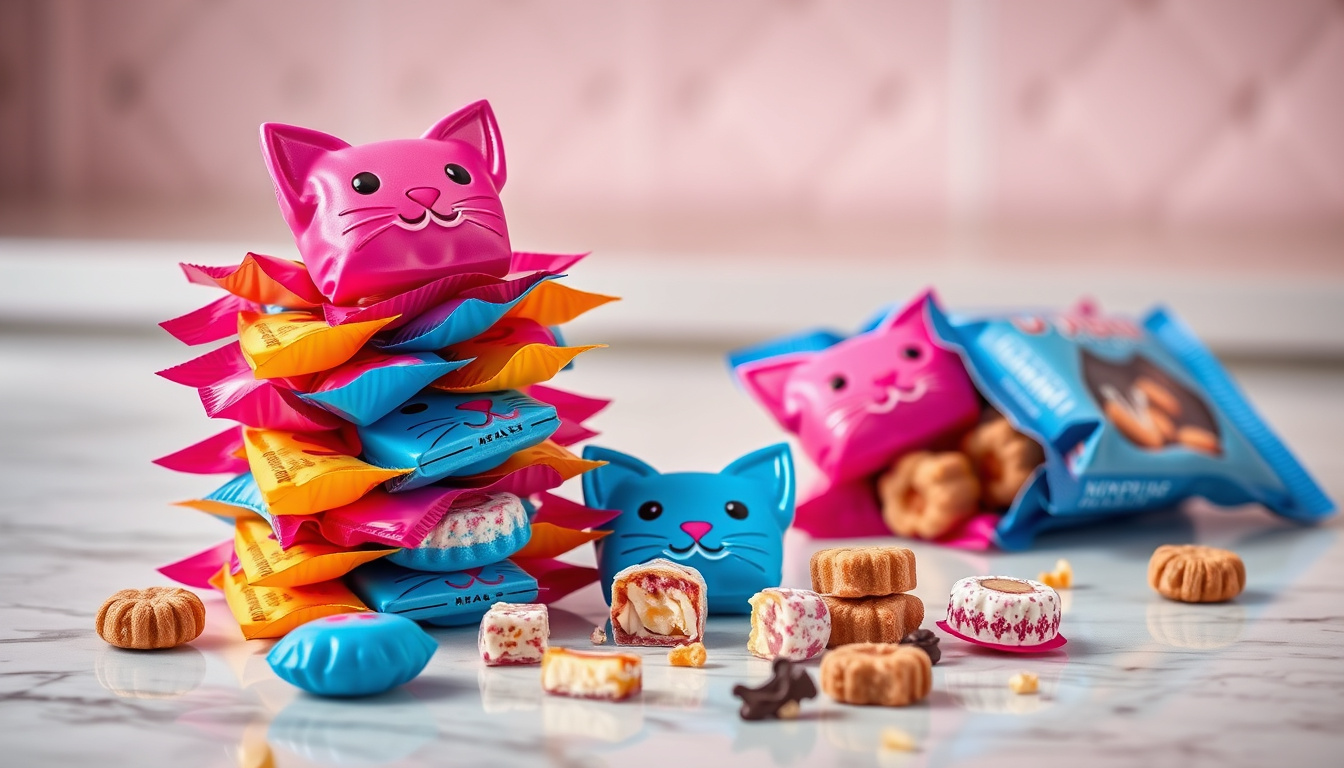
Jamie Laing, the reality TV star from Made in Chelsea, swapped champagne for candy floss when he launched Candy Kittens in 2012. What started as a side project in a tiny Chelsea office has grown into a vegan confectionery brand now stocked in thousands of stores across the UK, Ireland, and the US.
Founder: Jamie Laing ·
Product type: Vegan gourmet sweets ·
Key features: No gelatine, no palm oil, plant-based ·
Availability: UK and Ireland (Tesco, Dunnes Stores, online)
Quick snapshot
- Founded in London in 2012 by Jamie Laing and Ed Williams (Candy Kittens official site)
- 100% vegan, no gelatine, no palm oil (Candy Kittens About Us)
- Katjes International holds a majority stake (over 50%) (Katjes International)
- Five sweet ranges launched into 3,899 Walmart stores in the US (Evening Standard)
- Exact ownership percentages (Jamie Laing’s personal stake vs. Katjes)
- Net worth of the company
- CEO name if different from founder
- Whether Jamie Laing still holds a majority stake (some sources claim he does, but Katjes International says it holds over 50%)
- 2012: Brand founded in London (Candy Kittens official site)
- 2019: Katjes acquires majority stake (Katjes International)
- 2025: Candy Kittens used in Graze acquisition deal (BBC News)
Five key facts about Candy Kittens, one pattern: the brand leans heavily on plant-based credentials and celebrity backing, with a clear corporate structure that includes a German investor.
| Label | Value |
|---|---|
| Brand | Candy Kittens |
| Type | Gourmet vegan sweets |
| Founder | Jamie Laing (with Ed Williams) |
| Key attribute | No gelatine, no palm oil |
| Available in | UK and Ireland |
| Majority owner | Katjes International (since 2019) |
| US retail presence | 3,899 Walmart stores |
| Vegan certification | 100% plant-based |
| Co-founder role | Ed Williams runs day-to-day operations (The Drum) |
Does Jamie Laing still own Candy Kittens?
Jamie Laing’s role at Candy Kittens
Jamie Laing co-founded the brand in 2012 alongside Ed Williams, according to the Candy Kittens About Us page. The official site presents him as the founder and public face of the company. However, the ownership picture changed significantly in 2019.
Current ownership status
In November 2019, German confectionery group Katjes International acquired a majority stake — over 50% — in Candy Kittens. This was confirmed by Just Food and ConfectioneryNews. Katjes first invested earlier that year and then increased its holding. While Jamie Laing remains the founder and a figurehead, the company is now controlled by Katjes. Co-founder Ed Williams reportedly runs the day-to-day operations, as noted by The Drum.
“We hold a majority stake in Candy Kittens, having acquired over 50% of the company.” — Katjes International
Jamie Laing is still the face of the brand, but decision-making and financial control now rest with a German parent company. For fans, the brand identity stays the same; for investors, the structure is clear.
The implication: ownership may be split, but the brand’s direction is set by Katjes.
Why did Jamie Laing make Candy Kittens?
The inspiration behind Candy Kittens
According to the Candy Kittens About Us page, the brand was created to offer a better alternative to traditional sweets. The company states it spent years developing a recipe that uses plants instead of animal gelatine, aiming for a “better bite” for adults.
Jamie Laing’s background
Jamie Laing is best known as a TV personality from Made in Chelsea, a reality show that follows wealthy young people in London. The The Drum reported that he co-founded Candy Kittens while still appearing on the show. Laing’s celebrity status gave the brand early visibility, but the product itself relies on a vegan, gelatine-free formula.
“We make sweets the New Fashioned® way – plants, not gelatine, for a better bite.” — Candy Kittens official site
The implication: Candy Kittens was born from a gap in the market for adult-oriented, guilt-free sweets — and Laing’s fame provided the launchpad.
What is so special about Candy Kittens?
Vegan and plant-powered ingredients
Every sweet in the Candy Kittens range is 100% vegan and plant-based, as confirmed on the official website. The brand’s About Us page states it uses “plants, not gelatine” and avoids palm oil. The Daily Mail (a Tier 2 source) also reported that the sweets contain no gelatine or palm oil.
No gelatine, no palm oil, no artificial additives
This combination is relatively rare in the confectionery world. Most gummy sweets rely on gelatine (from animal collagen) and often use palm oil for texture. Candy Kittens avoids both, making it a cleaner option for vegans and environmentally conscious buyers.
Gourmet flavors
The brand markets itself as “gourmet sweets” with big flavour profiles — think sour watermelon, rhubarb & custard, and mango. The product range includes bags, sharing pouches, and larger tubs. For more on consumer brand guides, see our Pandora Bracelet Guide.
In a market flooded with mass-produced sweets, Candy Kittens bets on premium ingredients and ethical sourcing. The trade-off: a higher price per gram than conventional brands.
The pattern: premium ingredients command a premium price, but that’s the trade-off for ethical sourcing.
What celebrity made Candy Kittens?
Jamie Laing: from TV to confectionery
Jamie Laing is the celebrity face behind Candy Kittens. He rose to fame on Made in Chelsea, a reality show that has run since 2011. The The Drum notes that Laing co-founded the brand in 2012 while still on the show. His public profile helped promote the brand, especially in the early years.
The role of celebrity in brand awareness
Having a well-known founder gave Candy Kittens immediate media coverage. But the brand’s longevity depends on product quality and distribution, not just Laing’s fame. The BBC News reported that Candy Kittens is now part of Katjes International’s portfolio, and the brand was used in the acquisition of Graze in 2025.
The pattern: celebrity launching can get you in the door, but corporate backing and retail partnerships keep you there.
Why are Candy Kittens so expensive?
Premium ingredients and ethical production
Candy Kittens cost more than standard supermarket sweets. The brand uses high-quality plant-based ingredients, avoids cheap fillers like gelatine and palm oil, and holds vegan certification. The official site frames the product as a “better sweet for adults,” which implies a premium positioning.
Comparison with conventional sweets
Standard gummy sweets (like Haribo or supermarket own-brand) cost around £2–£3 per 150g bag. Candy Kittens typically retail for £4–£5 per 120g bag. The price difference reflects the cost of vegan-friendly pectin (instead of gelatine), no palm oil, and smaller batch production. For more on food business ventures, see our Food Truck Ireland guide.
Five price points, one pattern: you pay a premium for ethical sourcing and vegan certification. For budget-conscious shoppers, the question is whether the taste and ethics justify the extra cost.
What this means: the price reflects the cost of vegan certification and ethical production, not just a celebrity markup.
briefingroom.uk, presshive.uk, candykittens.co.uk, tendenciacentral.org
For more on the brand’s origins and product range, see the detailed profile of Candy Kittens founder Jamie Laing.
Frequently asked questions
Are Candy Kittens halal?
The brand does not carry official halal certification on its website. Since the sweets are vegan (no gelatine), they are likely halal-friendly, but buyers should check with the manufacturer.
Do Candy Kittens contain nuts?
Some flavors may be produced in facilities that handle nuts. The official website advises checking individual product labels for allergen information.
How many calories are in Candy Kittens?
A typical 40g serving contains around 140–160 calories, depending on the flavor. Exact values are listed on the packaging and the brand’s website.
Are Candy Kittens gluten-free?
According to the brand’s website, Candy Kittens are gluten-free. They do not contain wheat, barley, or rye ingredients.
What is the best-selling flavor?
Sour Watermelon and Rhubarb & Custard are often cited as customer favorites. The brand’s online store shows these as top sellers.
Can I order Candy Kittens online?
Yes, the official Candy Kittens website ships across the UK. They are also available on Amazon and through major retailers like Tesco and Dunnes Stores.
For the vegan consumer in the UK, the choice is clear: Candy Kittens delivers on its plant-based promise with no hidden animal ingredients. For the budget-conscious shopper, the premium price tag means it’s a treat rather than an everyday staple — but the ethical sourcing and taste make it a worthwhile splurge.

Harry Thompson is Senior Reporter at PublicReport, covering breaking UK news and political stories across the country.