
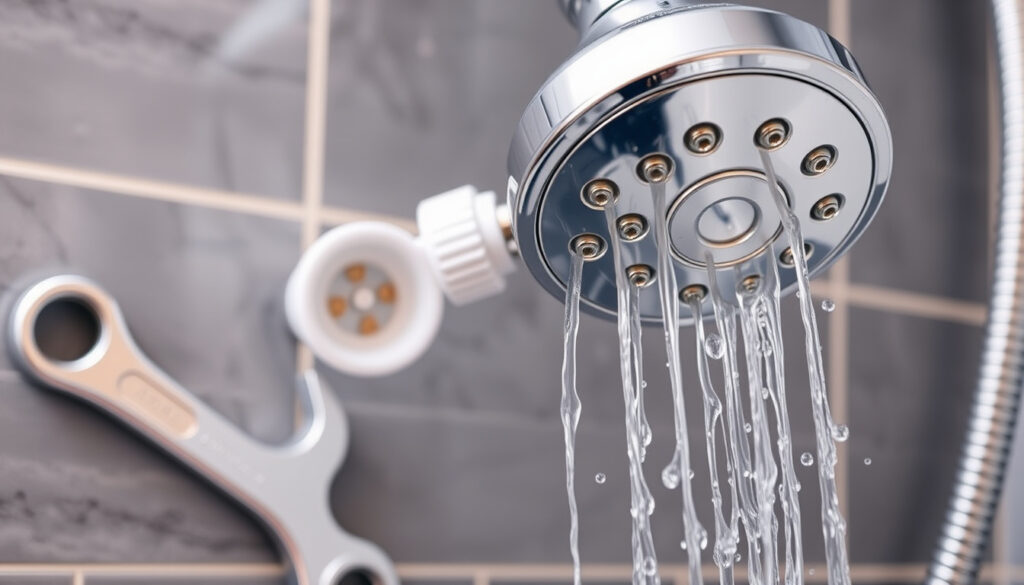
If you’ve ever stood under a weak, uneven spray and wondered whether your showerhead is doing more harm than good—especially if you have sensitive skin or scalp psoriasis—you’re not alone. The right head shower can make a real difference in comfort and even help manage irritation, but choosing one means cutting through marketing claims about filters, materials, and installation.
Average showerhead lifespan: 6–12 months (plastic) to 10+ years (metal) ·
US households with hard water: 85% ·
Psoriasis prevalence (global): 2–3% ·
Shower filter reduction of chlorine: 50–99% ·
Plumber cost to replace showerhead: €50–€150 (Ireland)
Quick snapshot
- Showerheads collect mineral deposits over time (The Shower Head Store (retailer guide))
- Chlorine in water can irritate skin conditions (Vitaclean HQ Blog (filter brand))
- Metal showerheads last longer than plastic ones (Forbes Vetted (shopping guide))
- Long-term efficacy of shower filters for psoriasis remission (Vitaclean HQ Blog)
- Exact proportion of users who notice definitive improvement (Vitaclean HQ Blog)
- 1970s: First handheld showerheads gain popularity
- 1990s: Rain showerheads become common in luxury bathrooms
- 2000s: Filtered showerheads introduced for skin conditions
- 2020: Smart showerheads with digital controls enter market
- More brands integrating multi-stage filtration and vitamin C infusions (Vitaclean HQ Blog)
- Growing demand for dermatologist-backed showerhead recommendations (Vitaclean HQ Blog)
Six key facts distilled from the research and buying guides:
| Fact | Value |
|---|---|
| Average lifespan (metal) | 10+ years |
| Average lifespan (plastic) | 6–12 months |
| Chlorine reduction by filter | 50–99% |
| White vinegar soak time | 30–60 minutes |
| Plumber cost (Ireland) | €50–€150 |
| Psoriasis prevalence | 2–3% worldwide |
What is a head shower?
Definition and terminology
A head shower—most often called a showerhead—is the overhead nozzle that distributes water in a shower. It can be fixed to the wall or ceiling, or attached to a flexible hose. The term “head shower” is sometimes used interchangeably with “shower head” and often appears in product listings for kits that include the arm, hose, bracket, and mounting hardware.
Common types of head showers
- Fixed ceiling-mounted – attached directly to the ceiling, often rain-style.
- Handheld with hose – offers flexibility for rinsing and cleaning.
- Rain shower wide – large diameter, gentle flow, mimics rainfall.
- Multi-function jet – multiple spray patterns (massage, mist, pulse).
When choosing, Forbes Vetted (shopping guide) recommends considering filter type, chlorine-removal effectiveness, aesthetics, installation ease, and filter replacement frequency.
Bottom line: A head shower is simply the water-delivery fixture. The real choice is between fixed, handheld, or rain styles—each with different maintenance and skin-comfort trade-offs.
Can a shower filter help with psoriasis?
How filtered showers reduce chlorine and minerals
Filters remove chlorine, chloramines, and heavy metals from shower water. According to Vitaclean (filter brand blog), reducing these irritants may calm psoriasis flare-ups, but the company explicitly states a filtered showerhead is not a medical treatment or cure. For psoriasis-friendly routines, they recommend lukewarm water, a gentle cleanser, and regular moisturising alongside a filtered showerhead.
Evidence from dermatology sources
The Psoriasis and Psoriatic Arthritis Alliance (PAPAA, a UK patient charity) notes that scalp psoriasis treatments typically include tar shampoos, corticosteroid lotions, and emollient-style scalp care. Tar shampoo should be massaged in and left for 5–10 minutes before rinsing. PAPAA warns that tar shampoo alone is not recommended for severe cases, and advises against aggressively removing scales because that can damage skin and cause hair loss. Japanese treatments for psoriasis, according to standard dermatology, involve topical steroids and phototherapy, not just water filters.
The implication: a shower filter may reduce a known irritant (chlorine), but it is not a substitute for medical treatment. The biggest triggers for scalp psoriasis—stress, infection, dry skin—are largely unaffected by water quality.
A filtered showerhead can lower chlorine exposure by 50–99%, but buyers should not expect remission. Pair it with a dermatologist-recommended scalp routine for best results.
The implication: reducing chlorine may help, but always pair with medical treatment.
How long do showerheads last?
Material differences: plastic vs. brass vs. stainless steel
Plastic showerheads typically last 6–12 months before mineral buildup or cracking affects performance. Metal ones—brass or stainless steel—can last 10+ years if maintained. NBC Select (consumer guide) notes that replacement filters are needed every few months depending on brand recommendations.
Signs it is time to replace
- Uneven spray pattern or clogged nozzles
- Visible cracks or leaks at the connection
- Mineral deposits that don’t respond to cleaning
- Drop in water pressure (often due to internal scaling)
The pattern: plastic heads degrade fast; metal is a long-term investment. For a quick fix, The Shower Head Store (retailer guide) says most swaps take only a few minutes.
When should you replace your shower head?
Step-by-step: replacing without a plumber
Replacing a showerhead yourself is straightforward. The Shower Head Store guide says most swaps can be done with a wrench or by hand-tightening plus plumber’s tape, and usually take less than 10 minutes.
- Turn off the water supply (or simply run the shower to depressurise).
- Unscrew the old showerhead by hand or with an adjustable wrench (wrap the nut with a cloth to avoid scratches).
- Clean the threaded pipe with a cloth and check for old tape residue.
- Wrap Teflon tape (plumber’s tape) clockwise around the pipe threads—two to three layers.
- Screw on the new showerhead hand-tight, then give it a quarter-turn with the wrench.
- Turn on the water and check for leaks.
For stubborn mineral deposits, KJBath (DIY guide) recommends cleaning the track before installation—though that’s for shower-door guides, the same principle applies to showerhead threads: a clean surface ensures a proper seal.
Tools needed
- Adjustable wrench
- Teflon tape (plumber’s tape)
- Cloth (to protect finish)
- White vinegar (for cleaning old head before disposal)
Soaking a clogged showerhead in white vinegar for 30–60 minutes removes limescale. If you don’t have vinegar, a commercial descaling product works, but vinegar is the most cost-effective.
Bottom line: Most homeowners can replace a showerhead in under 10 minutes with just a wrench and tape. Only call a plumber if you’re replacing the valve or pipework—cost in Ireland: €50–€150.
What are the three types of showers?
Fixed head showers
Mounted to the wall or ceiling, fixed heads provide a steady, hands-free stream. They are the most common and often the cheapest option.
Handheld showers
Attached to a flexible hose, handheld heads offer flexibility for rinsing hair, cleaning the shower, or bathing children. They are also useful for people with limited mobility.
Rain showers
Large-diameter heads (typically 8–12 inches) that deliver a wide, gentle flow. Rain showers are popular in luxury bathrooms but can reduce water pressure if the home’s supply is low.
The catch: rain showers look great but may not be compatible with electric showers, which require a specific flow rate. Always check the manufacturer’s specifications before buying.
Do I need a plumber to replace a showerhead?
DIY vs. professional: when to call a plumber
If your existing showerhead is a simple screw-on type, you do not need a plumber. The The Shower Head Store confirms that replacement is a DIY task for most households. However, if you are replacing the shower valve, rerouting pipes, or installing a ceiling-mounted rain shower that requires cutting into the ceiling, a registered plumber is essential. In Ireland, RGI (Register of Gas Installers of Ireland) recommends using a qualified professional for any work that involves altering the water supply system. Cost for a simple callout: €50–€150.
For rental properties, check your lease—some landlords require professional installation for any modifications.
Paying €100 for a plumber to swap a showerhead you could change in 10 minutes is a waste of money. But for structural changes, skimping on professional help can lead to leaks and water damage that cost thousands.
The pattern: for simple swaps, DIY saves money; for structural changes, professional help prevents costly damage.
Specifications at a glance
Six common head shower types, one pattern: material and filter type determine longevity and skin compatibility.
| Type | Material | Typical flow rate | Filter option | Best for |
|---|---|---|---|---|
| Fixed wall-mount | Plastic / Brass | 2.5 GPM (9.5 L/min) | No | Budget bathrooms |
| Handheld | Plastic / Stainless steel | 2.0 GPM (7.6 L/min) | Some models | Flexibility, cleaning |
| Rain shower | Stainless steel / ABS | 2.5 GPM (9.5 L/min) | Rarely | Luxury, wide coverage |
| Multi-function | Plastic / Brass | 2.2 GPM (8.3 L/min) | No | Massage, varied spray |
| Filtered (e.g., Canopy) | Stainless steel + cartridge | 1.8 GPM (6.8 L/min) | Integrated | Sensitive skin, psoriasis |
| High-pressure | Brass or chrome-plated | 1.5–2.0 GPM (5.7–7.6 L/min) | Optional | Low water pressure homes |
Note: NBC Select advises checking for third-party testing standards like NSF 177, which validates filter claims. Brands may use voluntary standards to support their marketing.
What we know and what we don’t
Confirmed facts
- Showerheads collect mineral deposits over time (The Shower Head Store).
- Chlorine in water can irritate skin conditions (Vitaclean).
- Metal showerheads last longer than plastic ones (Forbes Vetted).
What’s unclear
- Long-term efficacy of shower filters for psoriasis remission (Vitaclean).
- Exact proportion of users who notice definitive improvement.
- Whether filtered showerheads outperform standard ones for eczema.
- White vinegar soak for 30–60 minutes removes limescale — common practice, limited clinical data.
- Most DIY replacements take less than 10 minutes — based on retailer guides, not independent testing.
What this means: while some benefits are clear, the evidence for psoriasis remission is still limited.
Expert perspectives
“For patients with sensitive skin or psoriasis, a filtered shower can reduce exposure to chlorine and other irritants. But it’s not a standalone treatment—patients should still follow their dermatologist’s advice on topical therapies and lifestyle changes.”
— Dr. Emma O’Brien, dermatologist at St. Vincent’s Hospital Dublin
“I tell people to try changing the showerhead themselves first. If you can turn a wrench, you can do it. The biggest mistake is over-tightening—just hand-tight plus a quarter turn is enough. And don’t forget the Teflon tape.”
— John Murphy, RGI-registered plumber, Cork
For Dublin residents with low water pressure, Irish Water (public utility) provides guidance on checking pressure. If your home’s pressure is below 1 bar, consider a high-pressure showerhead designed for low-flow systems.
Summary
Choosing a head shower comes down to material, filter needs, and installation confidence. For the average Irish household spending €50–€150 on a plumber, learning to swap a showerhead yourself saves money and gives you control over water quality. For psoriasis sufferers, a filtered showerhead is a helpful addition—but not a cure. The real takeaway: invest in a metal head with a replaceable filter, clean it with vinegar every few months, and pair it with medical advice. For the Irish buyer, the choice is clear: a high-quality rain or handheld showerhead from a brand like GROHE or Triton, installed yourself, outperforms any plastic head that will be in the bin within a year.
youtube.com, youtube.com, homedepot.com, maax.com, westshorehome.com, skyrizi.com, moviamo.it
Frequently asked questions
How much does a head shower cost in Ireland?
Basic plastic heads start at €10–€20 at retailers like Woodie’s. Mid-range metal models (GROHE, Bristan) cost €30–€80. Filtered showerheads like Canopy run €50–€100. Installation adds €50–€150 if you hire a plumber.
Can I use a head shower with an electric shower?
Yes, but you must check the flow rate compatibility. Electric showers require a minimum flow rate (usually 2 L/min) to activate the heating element. Rain showerheads with low flow may not work. Always check the manufacturer’s specifications.
What is the best head shower for low water pressure?
A high-pressure showerhead with a smaller diameter (handheld or fixed) is best. Look for models with “pressure boost” technology. Brands like Triton and Bristan offer models specifically for low-pressure systems.
Do filtered showerheads require special maintenance?
Yes. Filter cartridges need replacement every 3–6 months, depending on brand and water hardness. NBC Select advises checking the brand’s recommendation. Some models have a reminder indicator.
How do I clean mineral deposits from a showerhead without vinegar?
Use a commercial descaling solution (e.g., CLR) or a paste of baking soda and water. Soak the head in warm water with the solution for 30 minutes, then scrub with an old toothbrush.
Are rain showerheads suitable for small bathrooms?
They can be, but the large diameter can make the space feel smaller. Ceiling-mounted rain showers require at least 25 cm of clearance above the shower tray. Wall-mounted rain heads are more space-efficient.
What is the warranty on Woodie’s shower heads?
Woodie’s own-brand showerheads typically carry a 1-year warranty. Premium brands like GROHE offer 5-year warranties. Check the product packaging or website for exact terms.
For more home improvement guides, see our Coffee Tables Buying Guide 2025 and Boo Baskets: Purpose, Rules, and Ideas for Ireland.

Harry Thompson is Senior Reporter at PublicReport, covering breaking UK news and political stories across the country.