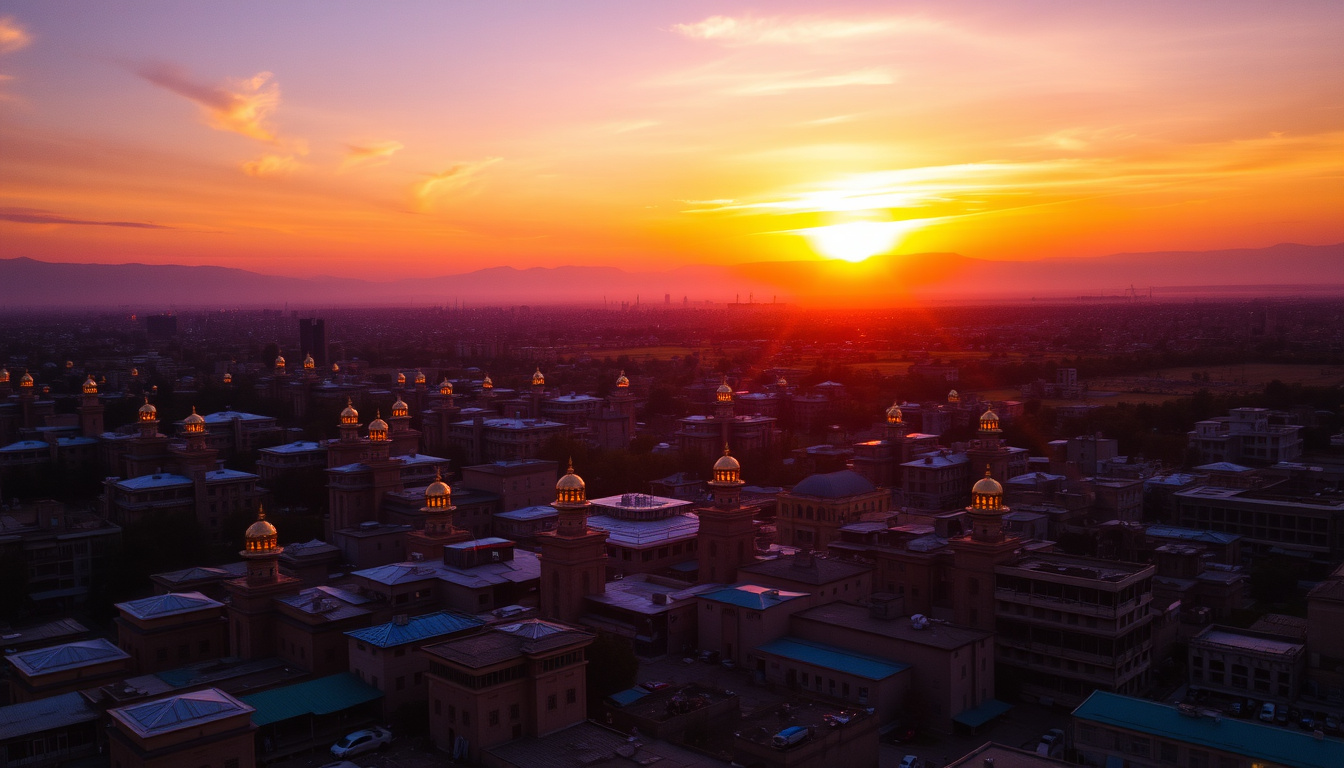
The book holds a 4.43/5 rating on Goodreads (Goodreads) and has sparked discussions everywhere from book clubs to classroom curricula. A Thousand Splendid Suns follows two Afghan women whose lives intertwine across decades of upheaval, from the Soviet invasion through the Taliban’s rise.
Author: Khaled Hosseini · Publication Year: 2007 · Genre: Historical Fiction · Goodreads Rating: 4.43/5 · Preceded By: The Kite Runner
Quick snapshot
- Part One is told entirely from Mariam’s perspective (SparkNotes)
- Part Two shifts to Laila’s viewpoint (SparkNotes)
- The title comes from a 17th-century Saib-e-Tabrizi poem (SparkNotes)
- Exact ban status varies by region and school district
- Formal movie adaptation plans remain unconfirmed
- How many school curricula include the novel
- Plot spans approximately 1975 to post-9/11 era (Muslim Matters)
- Publication: 2007 (Muslim Matters)
- Follows The Kite Runner thematically (Muslim Matters)
- Read deeper: explore Hosseini’s author intentions
- Compare with The Kite Runner for thematic parallels
- Check library availability for discussion groups
The table below consolidates essential details about the novel.
| Fact | Detail |
|---|---|
| Author | Khaled Hosseini |
| Published | 2007 |
| Setting | Afghanistan, 1970s–2000s |
| Protagonists | Mariam and Laila |
| Length | Approx. 400 pages |
What is A Thousand Splendid Suns story about?
The novel follows two women in Afghanistan over more than 30 years of conflict. Mariam, born an illegitimate child, is sent away at 15 to marry the much older Rasheed—and finds herself trapped in an increasingly hostile household. Years later, the young Laila loses her family to a rocket attack and, facing pressure to marry, also becomes Rasheed’s wife.
What unfolds is a portrait of survival and unlikely friendship. The bond between Mariam and Laila “transcends every other bond formed in the novel” despite losing everything precious to them (D Lit Review). The discord within their shared home with Rasheed becomes “a microcosmic representation of Kabul’s tense cultural landscape during the war” (SparkNotes).
Plot overview
Part One belongs entirely to Mariam. Readers watch her grow from a hopeful girl visiting her father’s Lahore compound to a woman worn down by years of abuse and isolation. Her journey from “a helpless, unwanted girl into a strong and selfless woman” anchors the novel’s emotional core (SparkNotes). Part Two shifts perspective to Laila, whose childhood in pre-war Kabul gives way to loss, remarriage, and ultimately the possibility of rebuilding.
Main characters: Mariam and Laila
Mariam and Laila are the two primary protagonists who both end up married to the same man, Rasheed, against their will (SuperSummary). The contrast between “the docile character of Mariam and the daring character of Laila is impossible to miss” (D Lit Review)—yet they forge something like sisterhood in their shared suffering. Laila’s father, before his death, emphasizes the importance of education with the statement “Marriage can wait, education cannot” (Study.com).
Historical backdrop
The novel’s timeline spans from approximately 1975 to the American invasion of Afghanistan a few years before the book’s publication (Muslim Matters). The Soviet invasion, Mujahideen fighting, and Taliban takeover all shape the characters’ choices. The novel educates readers on recent history of the Middle East and the wars and politics that have devastated the region (Luke Harkness).
Is A Thousand Splendid Suns a hard read?
The novel is not recommended for someone looking for light reading due to its intense subject matter (Luke Harkness). Described as “a deep and powerful tale that pulls no punches in telling the way women were and still are treated in certain parts of the world,” it deals directly with domestic abuse, war violence, and oppression (Luke Harkness).
Content warnings for gore and violence
The book depicts physical and psychological abuse within the home, aerial bombings of Kabul, executions, and the systematic erasure of women’s rights under Taliban rule. The novel spans several years and shows the character arcs of the two protagonists as they age from girls to women, making the violence feel cumulative rather than episodic (SparkNotes).
Emotional intensity
Khaled Hosseini’s writing is well-paced and makes readers feel emotions without being explicitly told (D Lit Review). Readers have reported crying at multiple points—particularly near Mariam’s arc. A Thousand Splendid Suns received a 5 out of 5 rating in one review, comparable to The Kite Runner (D Lit Review).
Reading difficulty factors
The prose itself is accessible—Hosseini writes in straightforward, emotionally resonant sentences rather than experimental structures. The difficulty comes from subject matter, not language. The work is considered an important look at Afghanistan’s history and contemporary culture and has received significant critical acclaim since its publication (Study.com).
What is the famous line from A Thousand Splendid Suns?
The title itself comes from a seventeenth-century poem by Saib-e-Tabrizi describing Kabul’s beauty (SparkNotes). The most recognizable quotation from the novel appears in Chapter 26: “One could not count the moons that shimmer on her roofs, Or the thousand splendid suns that hide behind her walls” (SparkNotes).
Iconic quotations
The novel’s title quotation is referenced three times throughout the narrative by different characters (SparkNotes). This recurrence is deliberate—Hosseini uses the poem to suggest that nothing can truly destroy the spirit of Kabul, even as bombs fall and walls close in. The Saib-e-Tabrizi poem from the seventeenth century reinforces Kabul’s ability to endure as the lines have not lost their poignancy over time (SparkNotes).
Another key line comes from the novel’s final act: “One last time, Mariam did as she was told” from the scene where Mariam is executed (Study.com). Mariam has come to terms with her death and feels that her life has been meaningful at the moment of her execution (Study.com).
Themes in quotes
The novel’s title emphasizes that Kabul and Afghanistan remain full of brightness and life despite the violence of war (SparkNotes). Restricting girls’ access to education in the novel works to maintain the imbalance of power between men and women as adults (SparkNotes). The novel explores the tension between traditionally restrictive customs and more progressive views of femininity in Afghan society (SparkNotes).
Library resources for quotes
Laila’s reflection at the novel’s end underscores the survival theme: she finds that people discover a way to go on, and is astonished that she herself has endured (Study.com). Readers seeking quotes for book reports or discussions can find annotated collections on SparkNotes and Study.com.
Why were 1000 Splendid Suns banned?
The novel appears on various uncensored reading lists and has faced restrictions in some regions due to its frank depiction of oppression and violence (SparkNotes). The themes of domestic abuse, forced marriage, and the systematic subjugation of women under Taliban rule have made it a frequent target for challenge in school libraries.
Banned books lists
While A Thousand Splendid Suns is not universally banned, it has appeared on challenge lists alongside other Hosseini works. The American Library Association’s Office for Intellectual Freedom tracks such challenges, though specific incident counts for this title vary by district and year.
Reasons cited
Common reasons for challenges include explicit content related to abuse, anti-religious sentiment (as Taliban practices are depicted critically), and sexual content. Some objectors note the portrayal of Islam through the lens of oppressive practices rather than diverse expressions of faith.
Cultural sensitivities
The novel has been both celebrated and criticized for its depiction of Afghan culture. It is praised for illuminating a region often reduced to headlines; critics from within Afghan or Muslim communities sometimes argue it reinforces stereotypes. The novel depicts how social barriers never shut down motherhood, as Laila and Mariam always find ways to protect their children (Teen Ink).
Who got Laila pregnant?
In the novel, Laila becomes pregnant by Tariq, a young man from her neighborhood, before she is forced into marriage with Rasheed. When Laila arrives at Rasheed’s home after her family is killed, she discovers she is already pregnant with Tariq’s child.
Laila’s backstory
Laila grows up in a relatively progressive household in Kabul, where her father champions her education. Before the war destroys her world, she falls in love with Tariq, a boy from a lower-class family. Their relationship is brief but consequential.
Key relationships
Rasheed marries Laila believing the child is his, at least initially. When the truth emerges later, his treatment of Laila becomes more brutal. The pregnancy becomes both a source of leverage and a catalyst for deeper conflict within Rasheed’s household.
Spoiler warning
The child born—Aziza—becomes a symbol of hope in the narrative. Laila’s ability to protect her daughter against Rasheed’s cruelty drives much of the novel’s second half.
Timeline
The narrative compresses major Afghan historical events into personal milestones.
| Period | Event |
|---|---|
| 1970s | Mariam’s early life and forced marriage to Rasheed |
| 1980s | Soviet invasion impacts Kabul; civil unrest grows |
| 1990s | Laila’s youth, family loss, and Taliban rise to power |
| 2001+ | Post-9/11 American invasion; Taliban’s fall from power begins |
| 2007 | A Thousand Splendid Suns published |
Hosseini compresses decades of Afghan history into a single family drama. The personal becomes political without ever feeling didactic.
Clarity check
Confirmed
- Author and publication details from established literary sources
- Plot structure: two-part narrative split by protagonist
- Title origin: Saib-e-Tabrizi seventeenth-century poem
- Main characters: Mariam and Laila share husband Rasheed
- Timeline spans 1975 to post-9/11 era
- The novel has received significant critical acclaim
Unclear
- Exact ban list inclusions across specific regions
- Whether a formal movie adaptation is actively in development
- Precise scope of school curriculum adoption
Key perspectives
One could not count the moons that shimmer on her roofs, Or the thousand splendid suns that hide behind her walls.— Saib-e-Tabrizi, referenced in Chapter 26 of A Thousand Splendid Suns
Mariam has come to terms with her death and feels that her life has been meaningful at the moment of her execution.— Study.com analysis
A Thousand Splendid Suns is not recommended for someone looking for light reading due to its intense subject matter.— Luke Harkness, Book Review
This guide covers the major plot points and themes. Full plot spoilers exist throughout—especially in the section on Laila’s pregnancy and Mariam’s fate. Readers who prefer to experience the novel fresh should skip those sections.
Related reading: Books of the Bible · General Knowledge Questions and Answers
dlitreview.com, teenink.com, lukeharkness.com, study.com, litcharts.com
Beyond the memorable quotes featured here, character and themes breakdown delves into the lives of Mariam and Laila amid Afghanistan’s upheavals.
Frequently asked questions
What genre is A Thousand Splendid Suns?
The novel is classified as historical fiction, set against real Afghan political events from the 1970s through the early 2000s. It blends literary fiction conventions with accessible storytelling.
Who wrote A Thousand Splendid Suns?
Afghan-American author Khaled Hosseini wrote the novel, published in 2007. It was his second book, following The Kite Runner.
Is A Thousand Splendid Suns based on a true story?
The novel is fictional, though Hosseini drew on real Afghan history and his own experiences as an Afghan-American. It is not a true story but is grounded in documented historical events.
What is A Thousand Splendid Suns Goodreads rating?
The novel holds a 4.43/5 rating on Goodreads, based on millions of ratings. This places it among the highest-rated literary fiction titles on the platform.
Has A Thousand Splendid Suns been made into a movie?
As of this article’s publication, no major film adaptation has been officially confirmed or released. Discussions about potential adaptations have surfaced periodically, but nothing has been produced.
Why is A Thousand Splendid Suns considered sad?
The novel follows characters through multiple layers of loss—war, abuse, forced marriage, and personal sacrifice. Mariam’s arc in particular carries profound grief. Yet critics note the ending offers quiet hope through resilience.
What are key themes in A Thousand Splendid Suns?
Central themes include the resilience of Afghan women, the destructiveness of gender oppression, the endurance of Kabul’s spirit through war, and the transformative power of female friendship across class and generation.
For readers willing to sit with difficult material, the novel delivers something rare: a story where suffering is not entertainment but witness. Hosseini asks readers to feel the weight of decisions made under impossible pressure—and to consider what survival actually costs.

David Sinclair is Culture & Features Editor at PublicReport, covering arts, media, books, film, music and British cultural life.