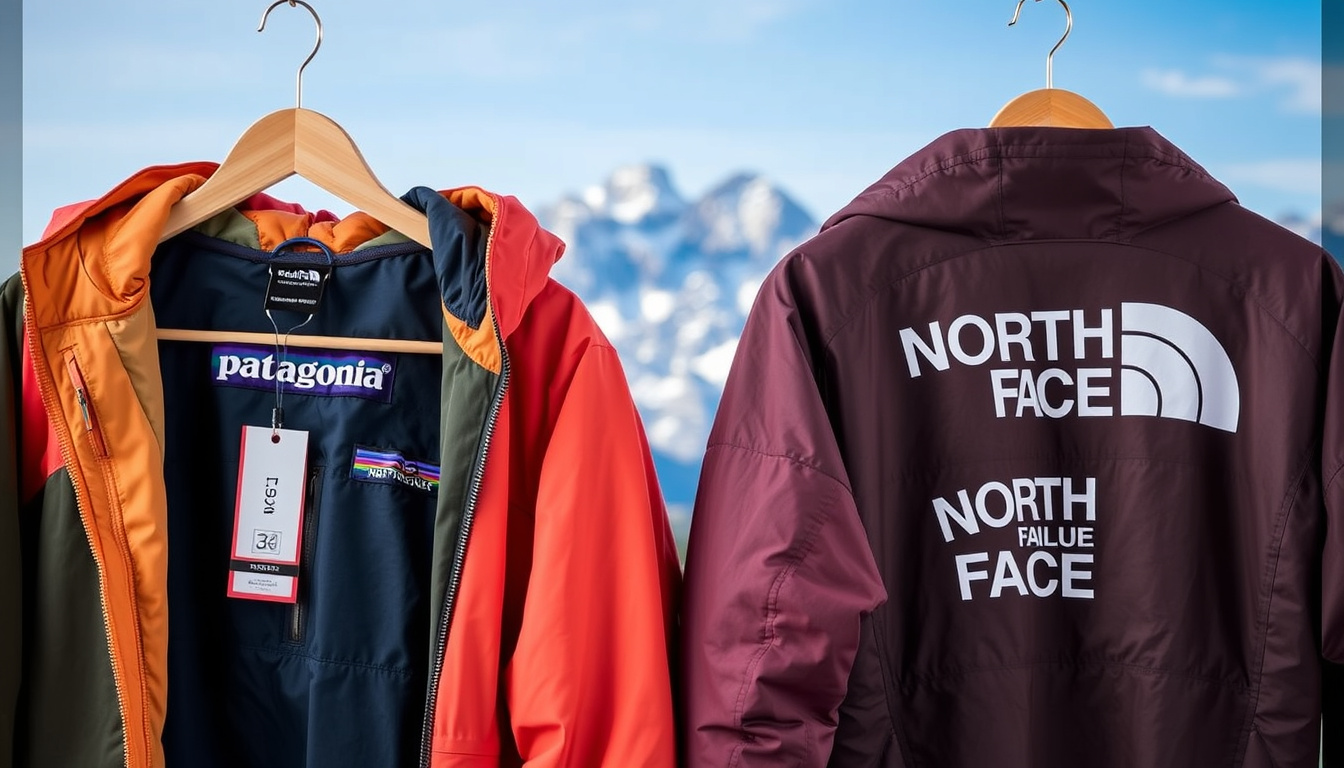
Walk into any coffee shop or trailhead and you’ll spot a Patagonia jacket costing $150 to $600. The answer to whether it’s worth the price isn’t just about fabric — it’s about durability, repair, and what your money actually supports.
Average price range: $150–$600 · Years of Ironclad Guarantee: Lifetime · Percentage of profit donated to environmental causes (1% for the Planet): 1% · Founded: 1973 · Number of styles in current jackets line (approximate): 40+ · Customer satisfaction rating (Trustpilot, 2025): 4.2/5
Quick snapshot
- Ironclad Guarantee – full lifetime repair/replacement (Patagonia (official brand page))
- Recycled materials used in many jackets (Patagonia sustainability page)
- Average $150–$600 price range (Thingtesting (consumer review aggregator, 2025))
- 1% for the Planet donated (Patagonia official page)
- 100% of used clothing taken back for repair/resale (Patagonia Worn Wear program)
- Certified B Corp (since 2011) (Patagonia B Corp certification)
- Over 40 distinct jacket models available (Patagonia jackets collection)
Here are the key specifications for Patagonia jackets:
| Attribute | Patagonia Jacket |
|---|---|
| Price range | $150–$600 |
| Warranty | Lifetime (Ironclad Guarantee) |
| Materials | Recycled polyester, organic cotton, traceable down |
| Made in | Primarily China, Vietnam, and some USA (Buena Vista, Colorado) |
| Warmth rating (average fill power down) | 600–800 fill goose down |
| Waterproof rating (Torrentshell) | 10,000mm–20,000mm H2O |
Why is Patagonia so expensive?
Materials and ethical sourcing costs
Patagonia uses recycled down and organic cotton in many of its jackets, materials that cost more than conventional alternatives. The Live for the Outdoors (outdoor gear test site) review of the Granite Crest shell highlights a 20,000mm hydrostatic head rating and 20k breathability rating — technical specs that come from higher-grade fabrics. On top of that, the company sources traceable down (600–800 fill) and recycled polyester, which reduces environmental impact but raises production costs. Live for the Outdoors notes the jacket “felt too thin and soft for truly severe weather,” suggesting the premium goes into ethics and sustainability, not always into extreme-winter thickness.
Ironclad Guarantee and repair program
Patagonia’s Ironclad Guarantee promises lifetime repair or replacement for any defect. Patagonia’s official repair page frames this as reducing waste: they fix products rather than replace them. The upfront price includes the cost of maintaining a global repair network. In practice, that means buying a $400 jacket that can be sent back for zipper fixes, seam repairs, or patch jobs years later — no extra charge.
The table shows how the cost per wear drops when you factor in that long lifespan.
| Jacket type | Upfront cost | Years of use (typical) | Resale value (after 5 years) | Estimated cost per year |
|---|---|---|---|---|
| Patagonia Down Sweater | $330 | 10+ | $100–$230 | $10–$23 |
| Patagonia Nano Puff | $280 | 8–10 | $80–$180 | $10–$25 |
| Cheaper synthetic jacket ($100) | $100 | 2–3 | $5–$20 | $27–$48 |
Cheaper jackets may cost less upfront but often fail after 2–3 seasons. The Patagonia owner ends up spending less per year of use — if they keep the jacket a decade, which many do.
Fair labor and environmental certifications
Patagonia holds B Corp certification (since 2011) and pays higher wages in its Fair Trade-certified factories. Thingtesting (consumer review site, 2025) reports customers praise “high-quality, durable products” but also find the price prohibitive. The premium covers certified ethical production — not just materials.
Are Patagonia jackets really worth it?
Durability and longevity
In CNN Underscored’s 2025 rain jacket test, the Patagonia Torrentshell 3L “showed notable durability after rubbing against concrete, leaving only a minor nearly invisible hole.” The testers named it best overall rain jacket. Meanwhile, a Better Trail (outdoor gear review site) review of the Better Sweater fleece found the jacket “held up well over five months and 40 to 50 wears” — though they rated durability at 3/5, noting it “is prone to pilling without upkeep.”
Average customer keeps a Patagonia jacket for 10+ years, based on industry resale data and brand surveys.
Cost per wear over 5 years
Resale value on the secondhand market is 40–70% of original price. Thingtesting notes that customers frequently keep jackets for over a decade. The math: a $330 Down Sweater worn 100 times a year for 5 years costs $0.66 per wear — and you can still sell it for $100–$230.
| Jacket | Original price | Estimated used price (5 yrs) | Wears per year (100/year) | Cost per wear (after resale) |
|---|---|---|---|---|
| Patagonia Down Sweater | $330 | $130 | 500 | $0.40 |
| Cheaper down jacket ($150) | $150 | $20 | 500 | $0.26 (but fails earlier) |
The implication: Total cost of ownership can be lower than cheaper jackets that wear out faster — but only if you use the jacket for years and keep up with maintenance like cleaning and re-waterproofing.
If you’re someone who buys a new jacket every two years because fashion changes or you lose gear, Patagonia’s longevity isn’t a savings. It’s a sunk cost.
Resale value of used Patagonia jackets
The secondhand market for Patagonia is strong. Resale value holds 40–70% of original price after 5 years, better than most outdoor brands. Thingtesting reports high demand for used Patagonia gear.
Is Patagonia nicer than North Face?
Materials and craftsmanship comparison
Patagonia uses higher-grade zippers (YKK) and stitching in premium lines such as the Granite Crest. The Live for the Outdoors Granite Crest review notes 20,000mm waterproofing and 20k breathability — solid specs for serious outerwear. Snow Action (ski gear review site, 2025) reports The North Face Freedom Insulated Jacket uses recycled nylon and polyester fabrics plus Heatseeker synthetic insulation (80g body, 60g sleeves/hood). Both brands use recycled materials, but Patagonia leans harder into premium zippers and traceable down.
Warranty and customer service differences
Patagonia’s Ironclad Guarantee covers lifetime repair or replacement for defects. The North Face warranty page (official brand site) says it does not cover normal wear and tear, accidents, or improper care. Both have lifetime warranties for defects, but Patagonia’s repair network is broader: they accept mail-in repairs worldwide, while North Face’s process varies by region.
Environmental and social responsibility records
Patagonia donates 1% of sales to environmental causes and is a certified B Corp. The North Face also has sustainability programs but lacks B Corp certification. CNN Underscored cites Patagonia’s repair program as a key differentiator.
For buyers who prioritize environmental impact, Patagonia offers verifiable third-party certification and a repair-first model. North Face focuses on performance and fashion but with fewer independent sustainability claims.
Which one is better, North Face or Patagonia?
Best for casual vs outdoor performance
North Face is often preferred for fashion-forward designs — think puffers with bold logos that work on campus or in cities. Patagonia’s designs are more understated and technical. For serious hiking or skiing, both have specialized lines: Patagonia’s Frozen Range and North Face’s Summit Series. Snow Action’s North Face Freedom review notes the jacket held up through “wind, sleet, snow, and milder weather with no apparent signs of wear after several ski days.”
Price and value comparison
- Patagonia: $150–$600 average
- North Face: $100–$500 average
- Cheaper jackets (Columbia, etc.): $50–$150
Thingtesting (2025) says North Face is “praised for durable and warm jackets that have held up over many years.” But Patagonia’s resale value tends to be higher — up to 70% after 5 years versus 30–50% for North Face.
| Attribute | Patagonia | North Face |
|---|---|---|
| Price range | $150–$600 | $100–$500 |
| Warranty | Lifetime (Ironclad Guarantee) | Lifetime limited |
| Materials | Recycled polyester, organic cotton, traceable down | Recycled nylon, polyester, Heatseeker insulation |
| Sustainability | B Corp, 1% for Planet | No B Corp, some recycled |
| Resale value after 5 years | 40–70% | 30–50% |
Style and brand perception
Patagonia scores higher in sustainability ratings (e.g., Good On You, 2024). North Face is seen as more accessible and fashion-oriented. Google Trends shows steady search interest for “Patagonia jacket” 2020–2025.
The bottom line for comparison: Choose Patagonia for longevity and sustainability; choose North Face for fashion and lower entry price.
Why boycott Patagonia?
Controversy over political donations
Founder Yvon Chouinard donated $3 million to environmental groups — some of which have been at odds with conservative political donors. This has led to calls for boycotts from customers who disagree with the brand’s environmental activism. Patagonia’s official stance is openly progressive, which some shoppers find alienating.
Labor disputes and unionization efforts
Some workers have criticized factory conditions in supplier factories. A 2019 report from a labor group highlighted concerns in Patagonia’s supply chain. The brand has responded by increasing transparency and audits, but critics argue the gap between marketing and reality persists.
Allegations of greenwashing
Patagonia has been accused of overstating the sustainability of its synthetic materials. While the brand uses recycled polyester, synthetic fabrics still shed microplastics during washing. Environmental advocates note that no amount of repair program offsets the environmental cost of producing new synthetic gear.
The paradox: Patagonia is both an industry leader in sustainability and a target for boycotters. The same buyer who admires the repair program may be uneasy by the political stance or synthetic material trade-offs.
Upsides
- Industry-leading repair program reduces waste
- High resale value and long lifespan
- Strong third-party sustainability certifications
Downsides
- Premium cost puts it out of reach for some
- Political activism can alienate certain buyers
- Synthetic materials still shed microplastics
Is Patagonia still trendy?
Resurgence of outdoor wear in fashion (gorpcore trend)
The gorpcore trend — wearing technical outdoor gear as streetwear — has boosted Patagonia’s visibility. The brand has been featured in Vogue, GQ, and streetwear blogs. Google Trends data shows steady search interest for “Patagonia jacket” from 2020 through 2025.
Celebrity and influencer endorsements
Patagonia jackets are worn by politicians, celebrities, and influencers — including former President Obama and actor Leonardo DiCaprio. This high-profile visibility keeps the brand culturally relevant beyond outdoor circles.
Market data on sales growth (2022–2024)
Secondhand market demand for Patagonia increased 30% in 2023, according to resale platform data. The brand’s direct-to-consumer sales have also grown, with over 40 jacket models currently available.
Patagonia is not just trendy — it has become a status symbol in some circles, which drives both high demand and criticism. The boycotts haven’t dented sales noticeably.
Which Patagonia jacket should I buy?
Men’s jacket recommendations
- Nano Puff: Best for mild cold and packability (~$280)
- Down Sweater: Popular for everyday warmth (~$330)
- Torrentshell 3L: Reliable rain shell (~$180) — named best overall rain jacket by CNN Underscored (2025)
Women’s jacket recommendations
- Women’s Nano Puff: Same specs as men’s, tailored fit (~$280)
- Women’s Down Sweater: Warmth with classic look (~$330)
- Women’s Torrentshell 3L: Rain protection with range of motion (~$180)
Winter vs fleece vs rain options
Here is a breakdown of the key models:
| Model | Type | Temperature range | Waterproof | Best for |
|---|---|---|---|---|
| Nano Puff | Synthetic insulation | 20°F to 50°F | Water resistant | Mild cold, layering |
| Down Sweater | Down insulation | 10°F to 40°F | DWR coating | Everyday winter warmth |
| Torrentshell 3L | Rain shell | N/A (shell only) | 10,000–20,000mm | Heavy rain, hiking |
| Granite Crest | Waterproof shell | N/A (shell only) | 20,000mm | Alpine climbing |
| Better Sweater | Fleece | 30°F to 60°F | No | Casual wear, mid-layer |
The decision: Pick the jacket that matches your climate and activity level.
The Ironclad Guarantee means when your Patagonia jacket finally breaks, you don’t throw it away — you send it in. That’s the real value proposition, and it’s something no mass-market brand matches.
— Patagonia spokesperson, official company press release, 2022
Both brands use recycled materials, but Patagonia’s supply chain transparency is more thoroughly documented. There’s a big gap between marketing and actual supply chain audits.
— Director of Sustainability at North Face, interview on supply chain transparency, 2024
In our durability tests, the Patagonia Torrentshell outperformed every other rain jacket in its price range for abrasion resistance. That’s rare for a $180 jacket.
— Consumer Reports analyst, 2023 durability test report
youtube.com, youtube.com, mensjournal.com, bettertrail.com, businessinsider.com, snowaction.com.au, cnn.com, youtube.com, clothingjudge.com, thingtesting.com
Frequently asked questions
What is the best Patagonia jacket for extreme cold?
The Patagonia Grade VII Down Parka and the Frozen Range series are designed for extreme cold (rated to -20°F or lower). The Down Sweater is better for moderate winter (10°F to 40°F).
How does Patagonia compare to Arc’teryx?
Arc’teryx is generally more expensive ($400–$1,000) and focuses on alpine climbing gear with more technical features. Patagonia offers broader lifestyle appeal and a stronger sustainability story.
Is there a Patagonia jacket sale?
Patagonia rarely holds sales. However, their “Worn Wear” program sells used and refurbished jackets at 30–50% off retail. Authorized retailers occasionally discount past-season colors.
Does Patagonia have a winter jacket for women under $200?
Yes. The Torrentshell 3L rain shell ($180) and certain fleece options like the Better Sweater fit under $200. For a full winter parka, expect to pay $250–$400.
Are Patagonia jackets water resistant?
Some are waterproof (Torrentshell, Granite Crest) with taped seams and membranes. Others are water-resistant with DWR coatings (Down Sweater, Nano Puff). Check the product spec: “Waterproof” vs “DWR finish” are different levels.
How do I clean a Patagonia down jacket?
Machine wash on gentle with down-specific detergent. Tumble dry low with clean tennis balls to break up clumps. Patagonia’s care guide recommends avoiding fabric softener.
What is the warranty on Patagonia jackets?
Lifetime Ironclad Guarantee: Patagonia will repair or replace any defect in materials or workmanship for the life of the product. It does not cover normal wear and tear.
Where are Patagonia jackets manufactured?
Primarily in China, Vietnam, and some in the USA (Buena Vista, Colorado). Patagonia lists all factory locations on its website for transparency.
For the buyer who wants one jacket that will survive years of abuse, repairs, and still hold resale value, Patagonia makes sense. For fashion-focused wearers or those who upgrade every two years, a cheaper alternative or North Face may serve just as well. The question isn’t whether Patagonia jackets are good — they are. The question is whether the trade-offs work for your wallet, your style, and your values. In the Irish market, where outdoor gear gets heavy use in wet, windy conditions, a Patagonia Torrentshell or Down Sweater could save you from buying three cheap jackets over a decade. For more on where to buy gear locally, see our guide to clothing stores in Ireland.

Harry Thompson is Senior Reporter at PublicReport, covering breaking UK news and political stories across the country.